
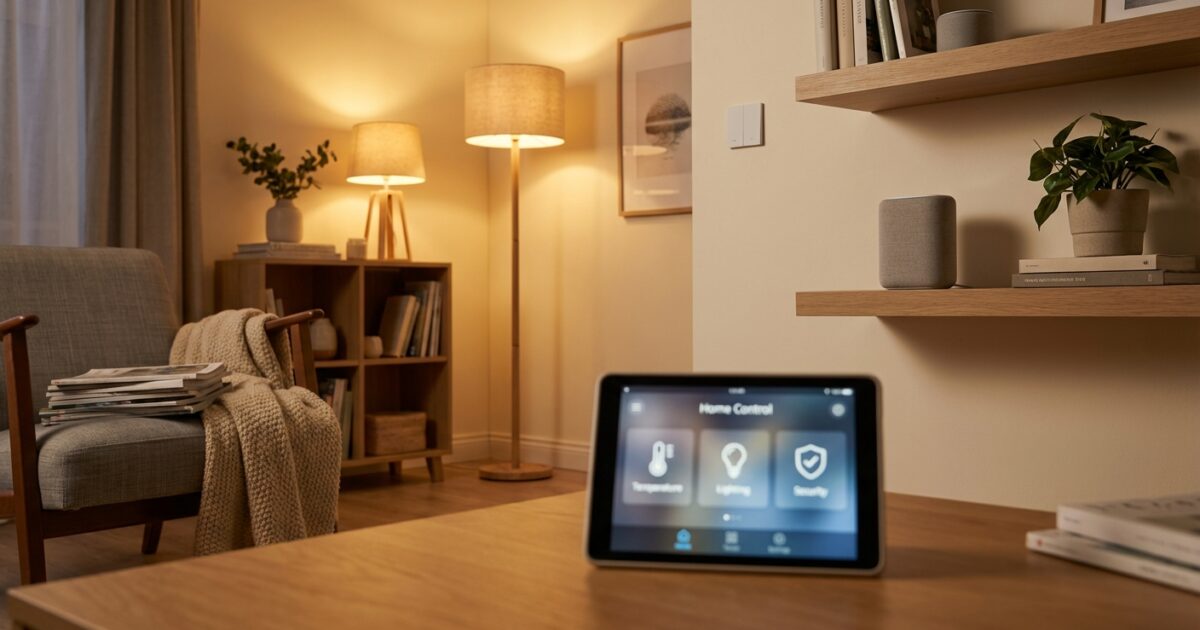
Stepping into your new home feels exciting, but it can also feel overwhelming when you consider all the possibilities for making it truly yours. Home automation offers one of the most rewarding paths forward—transforming your house into an intelligent, responsive environment that adapts to your lifestyle while potentially saving you money on energy costs and enhancing your security.
YouTube has become the go-to resource for homeowners diving into smart home technology. The platform’s visual format makes complex concepts accessible, and the community-driven content ensures you’re getting real-world advice from people who’ve actually installed and lived with these systems. Whether you’re looking to start with simple smart switches or dive into comprehensive home automation platforms, the right YouTube channels can guide your journey from confusion to confidence.
Essential YouTube Channels for Home Automation
Smart Home Solver
Smart Home Solver stands out for its practical, no-nonsense approach to home automation. You’ll find detailed tutorials that walk through installations step-by-step, making even complex projects feel manageable. The channel excels at comparing different smart home ecosystems and helping you understand which products work well together. Their content focuses heavily on real-world applications rather than theoretical concepts, perfect when you need to solve specific problems in your home.
NetworkChuck
While NetworkChuck covers broader technology topics, their home automation content dives deep into the networking side of smart homes—an often overlooked but critical foundation. You’ll learn about setting up secure networks, managing bandwidth for multiple devices, and troubleshooting connectivity issues. This channel is invaluable when you’re ready to move beyond basic smart devices and create a robust, secure home network that can handle advanced automation.
Smart Home Junkie
Smart Home Junkie delivers comprehensive reviews and tutorials with a focus on helping beginners make informed decisions. The channel breaks down complex topics into digestible segments and frequently addresses common concerns new homeowners face. You’ll appreciate their detailed product comparisons and honest assessments of what works—and what doesn’t—in real home environments.
The Hook Up
The Hook Up specializes in Home Assistant tutorials and DIY automation projects. If you’re interested in creating custom automations or want to avoid being locked into a single ecosystem, this channel provides invaluable guidance. The content tends toward intermediate and advanced topics, making it perfect as you grow more comfortable with basic smart home concepts.
Automated Home
Automated Home offers a UK perspective on smart home technology, which can be refreshing if you’re tired of content focused solely on North American products and setups. The channel provides thorough reviews and practical installation guides, often featuring products and solutions you might not find elsewhere. Their approach emphasizes building automation systems that genuinely improve daily life rather than just adding gadgets.
Smart Home Guide
Smart Home Guide focuses on creating comprehensive smart home ecosystems with particular attention to integration between different brands and platforms. You’ll find excellent content about planning your smart home journey, understanding which products work together, and scaling your system over time. The channel excels at helping you think strategically about your automation investments.
Ben’s Smart Home
Ben’s Smart Home delivers practical tutorials with a focus on security and privacy considerations—crucial topics that many channels gloss over. You’ll learn not just how to install smart devices, but how to configure them securely and maintain your privacy while enjoying the benefits of automation. The channel also provides excellent troubleshooting content for common smart home issues.
Kevin The Tech Ninja
Kevin The Tech Ninja combines smart home content with broader home technology topics, offering a well-rounded perspective on creating a connected home. The channel provides clear explanations of complex topics and often features complete room or whole-house automation projects that show how different systems work together in practice.
Getting Started: Your First Steps Into Home Automation
Your automation journey should begin with understanding your daily routines and identifying which tasks cause the most friction. Start by observing how you interact with your home—which lights do you most often forget to turn off, which doors do you frequently lock and unlock, or which temperature adjustments do you make repeatedly throughout the day.
Begin with one room or one type of device rather than trying to automate everything at once. Smart lighting represents an excellent starting point because it’s relatively inexpensive, easy to install, and provides immediate, noticeable benefits. You can typically replace standard switches with smart switches without rewiring, and the impact on your daily routine is immediately apparent.
Choose a primary ecosystem early in your journey—whether that’s Amazon Alexa, Google Assistant, Apple HomeKit, or a more advanced platform like Home Assistant. While you can mix systems later, starting with one ecosystem helps ensure your devices communicate effectively and reduces complexity as you learn.
Budget Planning and Prioritization
Smart home technology can range from affordable to expensive, so establishing a realistic budget helps you make strategic decisions about where to invest first. Set aside funds for both devices and any necessary infrastructure improvements—you might need to upgrade your router or add outlets in specific locations.
Prioritize automations that address your most pressing needs first. If security concerns keep you awake at night, invest in smart locks and security cameras before focusing on convenience features. If high energy bills frustrate you, start with a smart thermostat and smart switches for frequently used lights.
Consider the total cost of ownership beyond initial device purchases. Some systems require monthly subscriptions for cloud storage or advanced features, while others operate entirely locally. Factor these ongoing costs into your decision-making process, especially for security cameras and advanced automation platforms.
Plan for gradual expansion rather than complete automation from day one. Building your system over time allows you to learn what works best in your specific home and lifestyle while spreading costs across multiple months or years.
Common Mistakes to Avoid
Many new homeowners rush into smart home purchases without considering how devices will work together long-term. Buying products from multiple ecosystems that don’t communicate effectively creates frustration and often requires expensive replacements later. Research compatibility before making purchases, and resist the temptation to buy the cheapest option if it doesn’t integrate with your chosen platform.
Neglecting your network infrastructure represents another frequent oversight. Smart home devices require reliable internet connectivity, and adding multiple connected devices can strain inadequate routers. Assess your current network capabilities and upgrade if necessary before adding numerous smart devices.
Over-complicating initial setups discourages many beginners from continuing their automation journey. Start with simple automations like turning lights on at sunset or adjusting the thermostat when you leave home. Master these basic concepts before attempting complex multi-device scenarios with numerous conditional triggers.
Ignoring security considerations can expose your home and personal information to risks. Change default passwords on all devices, enable two-factor authentication where available, and regularly update firmware. Create a separate network for smart home devices to isolate them from computers and smartphones containing sensitive information.
Building Your Knowledge Foundation
Subscribe to several channels rather than relying on just one source. Different creators bring unique perspectives and specialties, and cross-referencing information helps you make better decisions. Pay attention to the comments sections on videos—other viewers often share valuable insights and solutions to problems you might encounter.
Take notes while watching tutorials, especially for installation procedures or configuration steps you plan to implement. Screenshots of important settings screens can save significant time when you’re actually configuring devices.
Start with manufacturers’ official installation videos before exploring third-party content. Understanding the intended installation process helps you better evaluate alternative methods and troubleshoot issues if they arise.
Your smart home journey should enhance your lifestyle rather than complicate it. Focus on solutions that solve real problems in your daily routine, and don’t be afraid to remove or replace systems that create more work than they save. The best automation is invisible—it should work so seamlessly that you barely notice it, except for the improved convenience and efficiency it provides.
Remember that building a smart home is an iterative process. Your needs will evolve as you become more comfortable with automation, and new technologies will continue to emerge. Start with solid fundamentals, learn from the wealth of knowledge available on these YouTube channels, and enjoy the process of creating a home that truly works for you.