
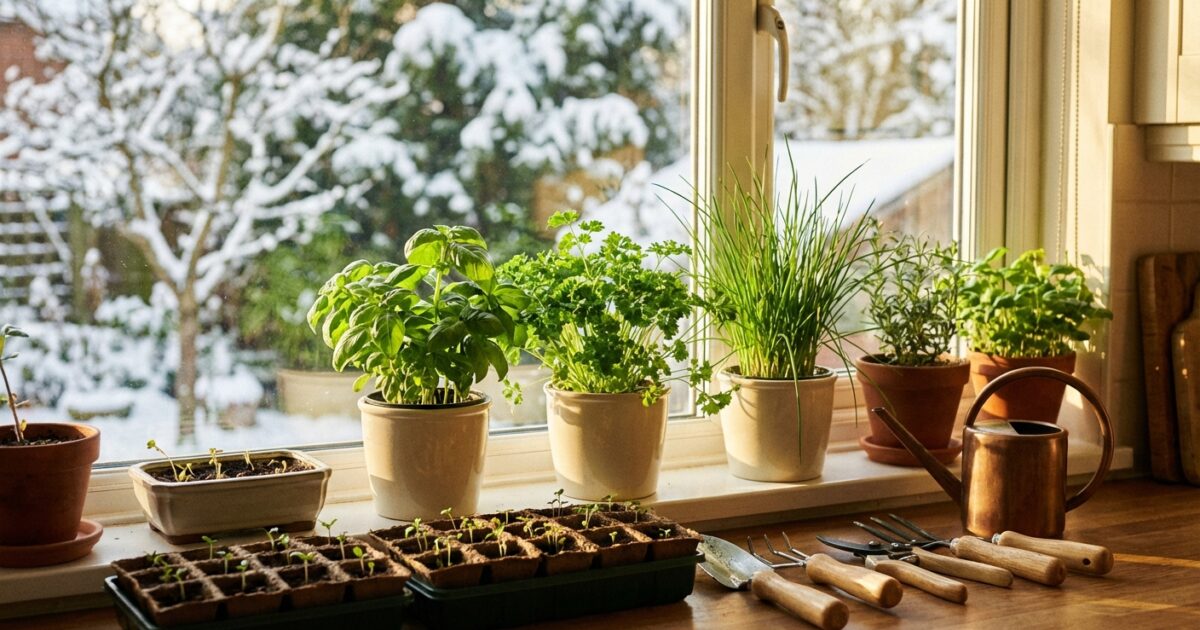
If you’re staring out your window at frost-covered ground while your gardening magazines taunt you with vibrant spring images, you’re experiencing the classic Zone 6 winter gardening blues. You know spring will come, but the waiting feels endless when your hands are itching to dig in the dirt and your mind is buzzing with planting possibilities.
The good news? You don’t have to hibernate until your last frost date. Zone 6 offers plenty of opportunities to satisfy your gardening urge during the coldest months, and smart preparation now will set you up for an incredibly successful growing season ahead.
Understanding Your Zone 6 Climate
Zone 6 spans a significant portion of the United States, from parts of the Northeast through the Midwest and into some mountain regions. Your average minimum winter temperatures range from -10°F to 0°F, which means you’re dealing with genuine cold but not the extreme conditions of northern zones.
Your last frost typically arrives between mid-April and early May, though microclimates within your property can create variations of several weeks. This timing gives you a longer growing season than colder zones but requires patience during the late winter months when gardening fever strikes hardest.
The beauty of Zone 6 lies in its versatility. You can grow cool-season crops like lettuce and peas quite early, while also enjoying heat-loving tomatoes and peppers during summer. Understanding these patterns helps you make the most of every season, including the seemingly dormant winter months.
Indoor Gardening Activities That Satisfy Your Green Thumb
Transform your winter restlessness into productive preparation by bringing gardening indoors. Seed starting becomes your primary winter activity, and it’s incredibly rewarding to nurture tiny seedlings while snow swirls outside your windows.
Strategic Seed Starting
Begin starting seeds 6-10 weeks before your last frost date. Tomatoes, peppers, eggplants, and herbs like basil need this head start to produce well in your growing season. Set up a simple seed-starting station near a south-facing window or invest in basic grow lights.
Cool-season crops like lettuce, kale, and broccoli need only 4-6 weeks indoors before transplanting. Start successive batches every two weeks to ensure continuous harvests throughout spring and early summer.
Kitchen Herb Gardens
Create a thriving indoor herb garden on your kitchen windowsill. Basil, cilantro, parsley, and chives grow beautifully in containers and provide fresh flavors for winter cooking. You’ll save money on store-bought herbs while keeping your gardening skills sharp.
Microgreens and Sprouts
Grow nutrient-dense microgreens and sprouts on your countertop. These fast-growing greens are ready to harvest in 7-14 days, providing immediate gratification when you’re craving garden-fresh produce.
Early Spring Preparation Tasks
Even before the ground fully thaws, you can tackle important preparation tasks that will accelerate your spring planting timeline.
Clean and organize your gardening tools during late winter. Sharp, clean tools make spring work more efficient and help prevent disease transmission between plants. Oil wooden handles, sharpen cutting edges, and replace worn items before the rush of spring begins.
Study your property’s microclimates by observing where snow melts first, which areas receive the most sun, and where water tends to collect. These observations guide your planting decisions and help you maximize each area’s potential.
Prepare garden beds by removing winter debris once the ground begins to thaw but before it becomes muddy. You can spread compost on frozen ground, and it will work into the soil as temperatures rise and rain falls.
Your Zone 6 Seasonal Timeline
Creating a month-by-month timeline keeps you organized and ensures you never miss critical planting windows.
Late Winter Activities
January through February: Focus on indoor seed starting, garden planning, and tool maintenance. Order seeds and plants early for the best selection. Plan your garden layout on paper, considering crop rotation and companion planting principles.
Early Spring Transition
March: Begin hardening off indoor seedlings during warm days. Start cool-season seeds like peas and spinach directly in the garden 2-4 weeks before your last frost. Prune fruit trees and berry bushes before buds break.
April: Transplant cool-season seedlings and direct-seed crops like lettuce, radishes, and carrots. Begin preparing warm-season planting areas. Watch weather forecasts closely and be ready to protect young plants from unexpected late frosts.
Full Spring Engagement
May: After your last frost date, transplant warm-season crops like tomatoes, peppers, and squash. Direct-seed beans, cucumbers, and corn. This is your busiest month, so having everything prepared beforehand pays dividends.
Assessing Your New Property’s Gardening Potential
New homeowners often feel overwhelmed when evaluating their property’s gardening possibilities. Start with a systematic assessment that reveals both opportunities and challenges.
Map your property’s sun exposure throughout the day. Most vegetables need 6-8 hours of direct sunlight, while many herbs and leafy greens tolerate partial shade. Identify the sunniest spots for your primary vegetable garden.
Test your soil’s pH and nutrient levels with a simple soil test kit. Zone 6 soils vary dramatically, from acidic forest soils to alkaline prairie remnants. Understanding your starting point guides amendment decisions and plant selection.
Observe drainage patterns during winter thaws and spring rains. Note areas that stay soggy versus those that drain quickly. Poor drainage can be improved with raised beds or drainage systems, while fast-draining areas might need organic matter to retain moisture.
Identify existing plants and trees that might affect your gardening plans. Large trees create shade and compete for water and nutrients, while existing shrubs might serve as windbreaks or privacy screens for your garden areas.
Budget-Friendly Garden Startup Strategies
Starting a garden from scratch doesn’t require a massive financial investment. Smart strategies can get you growing without breaking your budget.
Begin with the most productive, cost-effective crops. Lettuce, radishes, beans, and herbs provide quick returns on your investment and are nearly foolproof for beginning gardeners. One packet of lettuce seeds costing a few dollars can provide salads for months.
Build soil gradually rather than purchasing expensive amendments all at once. Start composting kitchen scraps and yard waste immediately. Collect fallen leaves in autumn and let them decompose over winter. These free organic materials improve soil structure and fertility better than most purchased products.
Start small and expand gradually. A 4×8-foot raised bed provides enough space for a surprising variety of vegetables while remaining manageable for maintenance and watering. You can always add more beds as your confidence and enthusiasm grow.
Save money on containers by repurposing household items for seed starting and growing herbs. Yogurt cups, takeout containers, and even newspaper pots work perfectly for starting seeds indoors.
Gardening’s Impact on Property Value
Well-planned landscaping and gardens can increase your property value by 5-15%, making your gardening efforts a smart investment beyond personal satisfaction.
Focus on improvements that provide both beauty and function. Vegetable gardens tucked behind attractive borders, herb gardens near kitchen doors, and fruit trees that provide shade and seasonal interest appeal to potential buyers while serving your daily needs.
Establish perennial elements that provide long-term structure and beauty. Berry bushes, asparagus beds, and fruit trees take time to establish but add permanent value to your landscape. These investments pay dividends for years and transfer to future owners.
Create attractive transitions between cultivated gardens and natural areas. Well-defined edges, attractive pathways, and thoughtful plant combinations show that your outdoor spaces are intentionally designed rather than haphazardly developed.
The key to successful Zone 6 gardening isn’t fighting the seasons—it’s working with them. Winter’s quiet months offer perfect opportunities for planning, preparing, and nurturing your gardening skills indoors. When spring finally arrives, you’ll be ready to hit the ground running with healthy seedlings, organized tools, and a clear plan for making the most of your growing season. Every hour you spend now in preparation translates to weeks of advantage once the soil warms and the real gardening begins.