
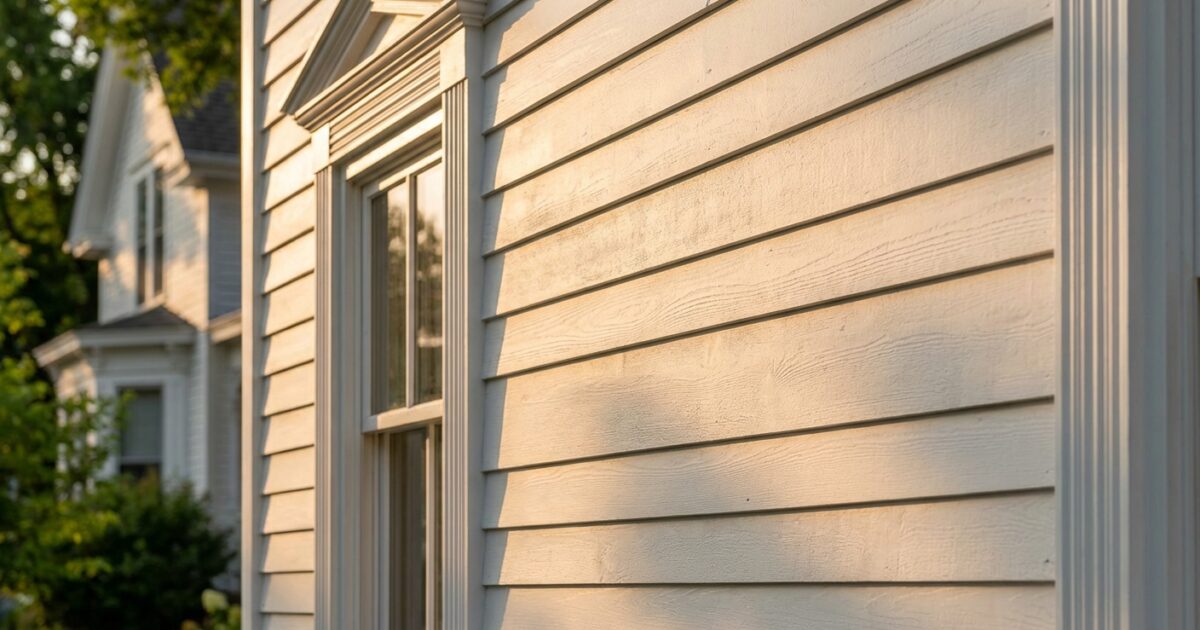
Replacing wood lap siding on your historic home presents unique challenges that modern construction rarely encounters. You’re not just maintaining your property’s curb appeal — you’re preserving architectural heritage while ensuring long-term protection against the elements. The decisions you make about materials, contractors, and installation methods will impact both your home’s authenticity and its structural integrity for decades to come.
Understanding Wood Species for Historic Siding
The wood species you choose dramatically affects both the appearance and longevity of your siding replacement. Each type brings distinct characteristics that influence cost, maintenance, and historical accuracy.
Cedar: The Premium Choice
Western red cedar stands as the gold standard for historic siding replacement. Its natural oils provide exceptional resistance to moisture, insects, and decay without chemical treatment. Cedar’s straight grain and stable dimensions minimize warping and splitting, while its beautiful natural patina ages gracefully over time. You’ll pay premium prices — typically 40-60% more than pine — but cedar’s longevity often justifies the investment. Clear-grade cedar offers the best appearance and durability, while knotty grades provide cost savings with some compromise in uniformity.
Pine: Balancing Cost and Performance
Eastern white pine offers an authentic choice that many historic homes originally featured. It’s significantly more affordable than cedar and readily accepts stain and paint. However, pine requires more frequent maintenance and careful moisture management. Knot-free grades perform best for siding, as knots can become weak points that allow moisture penetration. If you choose pine, budget for treatment with high-quality primer and paint systems to maximize its lifespan.
Poplar: The Economical Alternative
Yellow poplar provides the most budget-friendly option while maintaining authentic wood construction. It machines well and holds paint excellently, making it suitable for homes that will receive regular repainting. Poplar’s main limitation is its susceptibility to moisture damage, requiring vigilant maintenance and proper installation techniques to prevent premature failure.
Why Historic Homes Demand Authentic Materials
Historic preservation isn’t just about aesthetics — it’s about maintaining the building’s original construction methods and materials compatibility. Modern synthetic alternatives, while durable, expand and contract at different rates than traditional wood framing, potentially causing structural stress over time. Wood siding moves naturally with your home’s seasonal changes, preventing the differential movement problems that can occur with fiber cement or vinyl alternatives.
Many historic districts have strict requirements mandating wood materials for visible exterior surfaces. Even if your home isn’t in a designated historic district, using authentic materials helps preserve its character and may impact future resale value to buyers seeking historic authenticity.
Measuring and Specifying Siding Dimensions
Historic siding dimensions often differ from modern standard sizes, requiring precise measurement and custom specifications. Start by carefully measuring existing siding width and reveal (the exposed portion visible after installation). Common historic dimensions range from 4-inch to 8-inch boards with reveals typically 1/2 to 3/4 inches less than the board width.
Document the existing siding profile — whether it’s plain bevel, rabbeted bevel, or cove — as these profiles affect both appearance and weather protection. Take detailed photos and measurements of corner treatments, window trim interactions, and any decorative elements that must be replicated. Many suppliers can match custom profiles, but you’ll need precise specifications to ensure proper fit and historical accuracy.
Sourcing Quality Materials
Local Lumber Yards and Millwork Shops
Start your search with established local lumber yards that specialize in custom millwork. These suppliers often maintain relationships with sawmills that can provide specialty dimensions and wood species. Local shops also understand regional building codes and may offer valuable advice about installation techniques specific to your area’s climate conditions.
Specialty Restoration Suppliers
Companies specializing in historic restoration materials offer pre-cut siding in authentic dimensions and profiles. While more expensive than standard lumber, these suppliers understand the exacting requirements of historic work and often provide technical support for installation questions. They typically stock higher grades of lumber specifically selected for restoration projects.
Online Suppliers and Direct-from-Mill Sources
Several online suppliers specialize in custom siding orders, offering competitive pricing on larger quantities. When ordering online, request samples before committing to large orders, and carefully review return policies. Some sawmills sell directly to consumers, potentially offering significant savings on large orders while ensuring consistent grain patterns and moisture content across your entire project.
Cost Comparison Strategies and Budgeting
Material costs typically represent 30-40% of your total siding replacement budget, making careful comparison shopping essential. Request quotes from at least three suppliers, ensuring you’re comparing identical specifications including wood species, grade, dimensions, and moisture content. Don’t automatically choose the lowest bid — factor in delivery costs, return policies, and the supplier’s reputation for quality control.
Consider ordering 10-15% extra material to account for waste, future repairs, and variations in board quality that may require replacement during installation. Store extra siding in a dry, ventilated space for future maintenance needs. Budget separately for primer, stain, or paint, as these protective coatings significantly impact long-term material performance.
Timing your purchase can affect costs substantially. Order materials during slower construction seasons when suppliers may offer better pricing on custom work. However, balance cost savings against project timing and weather considerations for installation.
Finding Specialized Restoration Contractors
Historic siding installation requires specialized knowledge that general contractors may lack. Look for contractors with specific experience in historic restoration, as they understand period-appropriate installation techniques and potential complications unique to older homes. Ask for references from recent historic projects and visit completed work when possible.
Qualified restoration contractors should demonstrate knowledge of traditional construction methods, understanding how historic buildings settle and move differently than modern structures. They should also be familiar with local historic preservation requirements and permit processes. Expect to pay premium rates for this specialized expertise, but the investment protects both your materials and your home’s structural integrity.
Navigating Permits and Historic District Requirements
Historic district regulations vary significantly by location, but most require approval before beginning exterior work. Contact your local historic preservation commission early in the planning process to understand specific requirements for materials, colors, and installation methods. Some districts require matching original siding profiles exactly, while others allow appropriate substitutes that maintain the historic character.
Even outside designated historic districts, local building departments may have specific requirements for siding replacement on older homes. Obtain necessary permits before beginning work to avoid costly corrections or legal complications. Many restoration contractors can assist with permit applications and have established relationships with local preservation officials.
Long-term Maintenance Planning
Different wood species require varying maintenance approaches to maximize their lifespan. Cedar can often weather naturally to an attractive gray patina, requiring only periodic cleaning and inspection. Pine and poplar typically need regular painting or staining every 5-7 years to prevent moisture damage and maintain appearance.
Establish a maintenance schedule that includes annual inspections for loose boards, caulk failures, and paint condition. Address small problems promptly to prevent expensive repairs later. Keep detailed records of maintenance activities and material sources for future reference, as matching existing siding becomes easier when you have complete specifications and supplier information.
Questions to Ask Suppliers
When evaluating suppliers, ask specific questions about lumber grading, moisture content, and kiln-drying processes. Inquire about their quality control procedures and return policies for defective materials. Request information about typical lead times for custom orders and their experience working with restoration contractors. Ask for references from other historic restoration projects and whether they provide technical support for installation questions.
Understanding your wood siding options and working with knowledgeable suppliers and contractors ensures your historic home receives materials and installation methods that honor its architectural heritage while providing decades of reliable protection. The investment in quality materials and specialized expertise pays dividends in both preservation value and long-term maintenance savings.