
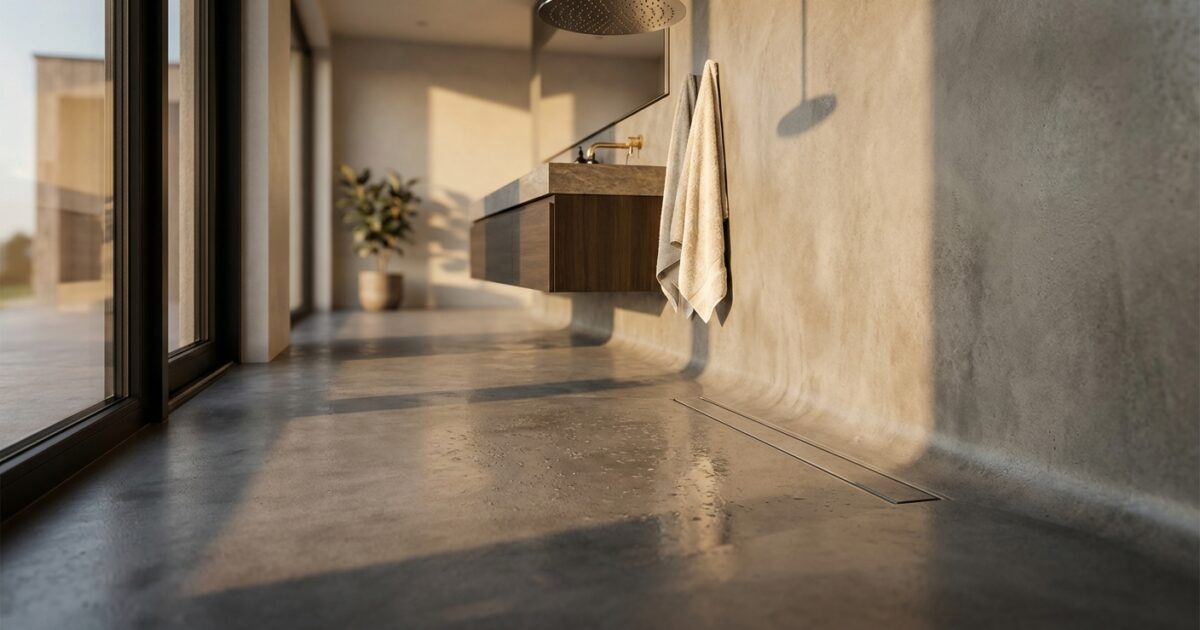
If you’re considering a bathroom renovation, you’ve likely encountered the growing trend of wet room bathrooms. These open-concept spaces eliminate traditional shower enclosures, creating a seamless, minimalist environment where water flows freely across waterproofed surfaces. But before you commit to this modern design approach, you need to understand how it might affect your home’s resale value.
Understanding Wet Room Design
A wet room transforms your entire bathroom into a shower space. Unlike traditional bathrooms with separate shower stalls or tub enclosures, wet rooms feature a completely waterproofed floor that slopes toward one or more drains. The toilet, vanity, and other fixtures coexist in this open environment, protected by strategic placement and superior waterproofing systems.
This concept originates from Asian and Scandinavian design philosophies, where space efficiency and minimalist aesthetics reign supreme. In countries like Japan and Sweden, wet rooms have been standard for decades, valued for their practicality and clean lines. Now, they’re gaining traction in American homes, particularly in urban areas where space comes at a premium.
The Advantages That Appeal to Modern Homeowners
Wet rooms offer several compelling benefits that resonate with contemporary living preferences. Space efficiency tops the list, especially in smaller homes or condos where every square foot matters. By eliminating shower doors, curtains, and raised thresholds, you create an illusion of expanded space that makes even compact bathrooms feel more generous.
Accessibility features make wet rooms particularly attractive to aging homeowners or those with mobility concerns. The barrier-free design eliminates trip hazards and provides easy wheelchair access, making them an excellent choice for universal design principles. This accessibility factor increasingly appeals to baby boomers planning to age in place.
From a maintenance perspective, wet rooms can simplify cleaning routines. Without shower doors to scrub or caulk lines to maintain, you’ll spend less time fighting soap scum and mildew. The continuous surfaces and minimal joints create fewer hiding spots for grime and bacteria.
The design flexibility of wet rooms allows for striking visual statements. You can create stunning feature walls with natural stone, dramatic tile patterns, or sleek concrete surfaces that flow seamlessly from floor to ceiling. This design freedom appeals to homeowners seeking spa-like luxury or contemporary minimalism.
Challenges and Potential Drawbacks
Despite their appeal, wet rooms present significant challenges that could impact both your daily experience and resale prospects. Waterproofing complexity stands as the most critical concern. Unlike traditional bathrooms where water stays contained, wet rooms require comprehensive waterproofing of all surfaces, including walls, floors, and even ceilings in some cases.
Professional installation becomes non-negotiable, as improper waterproofing leads to catastrophic water damage, mold growth, and structural issues. This requirement significantly increases installation costs compared to standard bathroom renovations.
Temperature and humidity control poses another challenge. Without enclosed shower spaces, steam and heat spread throughout the entire bathroom, potentially creating uncomfortable conditions and increased moisture exposure to fixtures, cabinetry, and stored items.
Many homeowners underestimate the splash factor. Water inevitably reaches areas you might not expect, requiring careful consideration of material choices and placement of electrical fixtures, towels, and personal items.
Regional Market Reception and Buyer Preferences
Real estate markets across the United States show varying levels of wet room acceptance. Urban coastal markets like San Francisco, Seattle, and parts of New York demonstrate higher appreciation for wet room designs, particularly among younger, design-conscious buyers who value modern aesthetics and space efficiency.
Conversely, traditional suburban markets and areas with conservative design preferences may view wet rooms as unconventional or impractical. Many American buyers expect separate, enclosed shower spaces and may perceive wet rooms as incomplete or poorly designed.
Luxury market segments show more openness to wet room concepts, especially when executed with high-end materials and professional installation. Buyers in this category often appreciate unique design features and are willing to embrace non-traditional layouts for aesthetic payoff.
Expert Insights on Market Impact
Real estate professionals offer mixed perspectives on wet room resale value. Agents in progressive markets report that well-executed wet rooms can command premium prices, particularly in loft-style condos and modern architectural homes where they complement the overall design aesthetic.
However, contractors and real estate agents consistently emphasize that execution quality determines market reception more than the concept itself. Poorly waterproofed or awkwardly designed wet rooms create liability concerns that can actually decrease home values.
Several agents note that wet rooms work best as secondary bathrooms rather than primary suites. Many buyers want at least one traditional bathroom with enclosed shower facilities, viewing wet rooms as luxury additions rather than replacements for conventional layouts.
When Wet Rooms Make Strategic Sense
Certain scenarios strongly favor wet room installations from both lifestyle and resale perspectives. Small urban properties benefit most dramatically, as the space-enhancing effect provides genuine functional improvements that buyers readily appreciate.
Aging-in-place renovations represent another compelling use case. As the population ages, accessible bathroom features become increasingly valuable, making wet rooms attractive to a growing demographic segment.
Contemporary architectural styles provide natural contexts for wet room designs. If your home features modern, minimalist, or industrial design elements, a wet room bathroom reinforces rather than conflicts with the overall aesthetic.
High-end renovations in luxury markets can successfully incorporate wet rooms as distinctive features that set properties apart from standard offerings.
Cost Considerations and Budget Planning
Wet room installations typically cost significantly more than traditional bathroom renovations. Professional waterproofing systems, specialized drainage, and skilled labor requirements drive costs upward. Expect to invest between $15,000 to $50,000 or more, depending on size, materials, and regional labor costs.
The return on investment varies considerably by market. In appreciative markets, well-designed wet rooms may recoup 70-80% of their cost, similar to other high-quality bathroom renovations. In resistant markets, recovery rates may drop to 40-50%.
Consider long-term maintenance costs when budgeting. While day-to-day cleaning may be simpler, any waterproofing failures require extensive repairs that can exceed the original installation cost.
Building Codes and Regulatory Considerations
Most American building codes don’t specifically address wet room construction, instead relying on standard waterproofing and drainage requirements. However, some jurisdictions have specific regulations about bathroom ventilation, electrical placement, and accessibility features that affect wet room design.
Always consult local building departments before beginning wet room projects. Some areas require special permits or inspections for comprehensive waterproofing systems, and compliance issues can create problems during home sales.
Insurance considerations also merit attention. Some insurers view wet rooms as higher-risk installations, potentially affecting coverage or premiums. Discuss your renovation plans with your insurance agent before proceeding.
Making Your Decision
Your decision should balance personal lifestyle preferences with market realities in your specific area. If you’re planning to stay in your home for many years and genuinely prefer wet room functionality, the resale impact becomes less critical than your daily satisfaction.
However, if you anticipate selling within five years, carefully research your local market’s reception to wet rooms. Consider consulting with experienced real estate agents who understand buyer preferences in your price range and neighborhood.
Focus on quality execution regardless of your decision timeline. Poor installation creates problems whether you’re staying or selling, while professional work preserves your investment and creates the best possible market reception.
Remember that bathroom renovations generally offer strong returns when executed thoughtfully. Whether you choose a wet room or traditional design, prioritizing quality materials, professional installation, and thoughtful design will serve your interests both now and in the future. The key lies in matching your choice to your specific circumstances, local market preferences, and long-term housing plans.