
Picture this: you’re taking what should be a refreshing morning shower, but the water coming from your faucet has an unmistakable orange tint. Your water heater, which has faithfully served your home for nine years without a single maintenance check, is finally sending you a message you can’t ignore. When you drain the tank for the first time, nearly five gallons of rusty, sediment-filled water pours out—a shocking reminder of the maintenance task most homeowners completely overlook.
This scenario plays out in thousands of homes every year, yet water heater flushing remains one of the most neglected aspects of home maintenance. The consequences extend far beyond discolored water, affecting your energy bills, water quality, and the lifespan of one of your home’s most essential appliances.
Why Water Heater Flushing Matters More Than You Think
Your water heater works around the clock, heating and reheating water that contains naturally occurring minerals like calcium and magnesium. Over time, these minerals settle to the bottom of your tank, forming a thick layer of sediment. This buildup acts like an insulating blanket between your heating element and the water, forcing your system to work harder and consume more energy to achieve the same results.
The impact on efficiency is substantial. A water heater with significant sediment buildup can lose 10-15% of its efficiency, translating to higher monthly utility bills that add up over time. For a typical household spending $400 annually on water heating, this inefficiency could cost an extra $40-60 per year—money that compounds over the years you delay this simple maintenance task.
Warning Signs Your Water Heater Needs Immediate Attention
Your water heater communicates its needs through several telltale signs that many homeowners dismiss as normal aging. Recognizing these symptoms early can prevent costly repairs and premature replacement:
- Discolored water: Orange, brown, or rust-colored water indicates significant corrosion and sediment buildup
- Reduced hot water capacity: If your usual shower routine leaves you with lukewarm water, sediment may be displacing usable tank volume
- Strange noises: Popping, crackling, or rumbling sounds occur when sediment overheats and creates steam bubbles
- Longer heating times: Your water takes noticeably longer to reach desired temperatures
- Higher energy bills: Unexplained increases in utility costs often correlate with decreased water heater efficiency
- Metallic taste or smell: Minerals and corrosion can affect water taste and odor
The Complete Water Heater Flushing Process
Flushing your water heater requires careful attention to safety protocols, but it’s well within most homeowners’ capabilities. The process typically takes 2-3 hours, including heating recovery time.
Essential Safety Preparations
Before beginning any work on your water heater, prioritize safety by turning off the power supply. For electric units, switch off the circuit breaker at your electrical panel. Gas water heaters require turning the thermostat to the pilot position—never attempt to work on a gas unit if you smell gas or suspect a leak.
Allow the water to cool for several hours before starting. Hot water can cause severe burns, and even water that feels warm to the touch can be dangerously hot when it’s under pressure inside the tank.
Step-by-Step Flushing Instructions
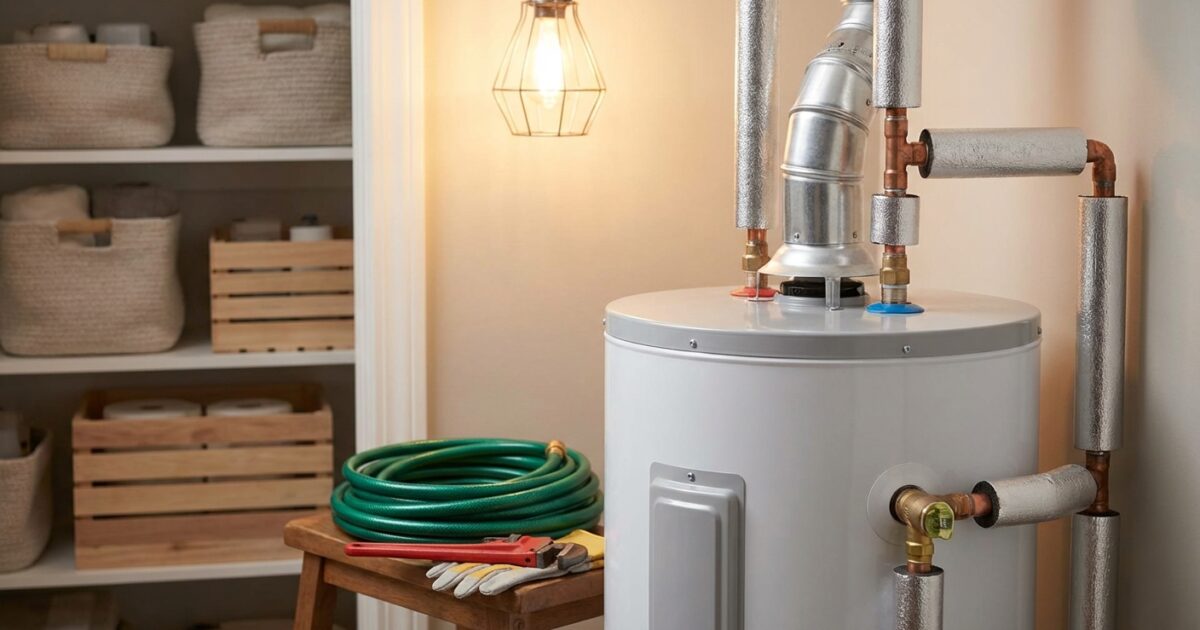
Start by turning off the cold water supply valve, typically located on top of the unit where the cold water line enters. Next, connect a garden hose to the drain valve at the bottom of the tank, running the other end to a safe drainage location like a floor drain, sump pump, or outside area where hot water won’t damage landscaping.
Open a hot water faucet somewhere in your house—preferably the closest one to your water heater. This prevents a vacuum from forming in the tank and allows it to drain properly. Now you can open the drain valve and begin the flushing process.
The first water that emerges will likely be discolored, especially if you’ve never performed this maintenance. Allow the tank to drain completely, which may take 30-45 minutes depending on your tank size and water pressure.
Once empty, turn the cold water supply back on briefly to stir up remaining sediment, then turn it off and let the tank drain again. Repeat this process 2-3 times until the water runs clear. This step is crucial—simply draining the tank once won’t remove stubborn sediment that has compacted at the bottom.
Refilling and System Restart
Close the drain valve securely and disconnect your hose. Turn the cold water supply back on and allow the tank to refill completely. You’ll know it’s full when water flows steadily from the hot water faucet you opened earlier. Close that faucet and restore power to your unit.
Monitor the system for the first few heating cycles, checking for leaks around the drain valve and ensuring normal operation. Your first shower after flushing should demonstrate noticeably improved water quality and pressure.
Professional Service vs. DIY: Making the Right Choice
Professional water heater flushing typically costs between $150-300, depending on your location and service provider. This service often includes inspection of other components like the anode rod, temperature relief valve, and overall system condition.
The DIY approach costs virtually nothing beyond your time, making it an attractive option for budget-conscious homeowners. However, certain situations warrant professional intervention: if you’re uncomfortable working with gas appliances, notice significant corrosion or damage during inspection, or encounter complications like a stuck drain valve.
Establishing Your Maintenance Schedule
Water heater flushing frequency depends on your water quality and usage patterns. Homes with hard water should flush annually, while areas with softer water can extend intervals to 18-24 months. High-usage households—those with large families or frequent guests—benefit from more frequent maintenance regardless of water hardness.
Create a maintenance reminder system that works for your lifestyle. Many homeowners tie water heater flushing to other annual tasks like HVAC filter changes or gutter cleaning. Digital calendar reminders or home maintenance apps can help establish consistent schedules.
The True Cost of Neglect
Skipping regular water heater maintenance creates a cascade of problems that extend far beyond minor inconveniences. Sediment buildup reduces tank capacity, meaning you’re paying to heat water you can’t actually use. The insulating effect of minerals forces your system to run longer and more frequently, substantially increasing energy consumption.
More seriously, neglected water heaters fail prematurely. While a well-maintained unit can last 12-15 years, neglected systems often require replacement after 6-8 years. Considering that water heater replacement costs $1,200-2,500 including installation, regular maintenance becomes an obvious financial decision.
Sediment buildup also accelerates corrosion, potentially leading to tank leaks that can cause significant water damage. Emergency water heater replacement during a holiday weekend or after business hours can cost substantially more than planned maintenance.
Additional Maintenance Considerations
Water heater flushing should be part of a comprehensive approach to system care. During each maintenance session, inspect the anode rod—a sacrificial component that prevents tank corrosion. Most anode rods require replacement every 3-5 years, and combining this service with regular flushing maximizes efficiency.
Check the temperature and pressure relief valve annually by lifting the lever briefly to ensure proper operation. This safety device prevents dangerous pressure buildup, and a malfunctioning valve poses serious safety risks.
Monitor your water heater’s performance throughout the year. Keep track of recovery times, water temperature consistency, and any unusual sounds or smells. Early detection of problems allows for less expensive repairs compared to emergency service calls.
Guidance for New Homeowners
When purchasing a home, investigate the water heater’s maintenance history as part of your due diligence. Ask about the unit’s age, recent service records, and whether regular flushing has been performed. A well-maintained water heater adds value to your home purchase, while a neglected unit represents an immediate expense.
Establish your home maintenance routine early, including water heater care alongside other essential tasks. Document your maintenance activities with dates and observations—this information proves valuable for warranty claims and helps you identify developing issues.
Consider having a professional inspection during your first year of homeownership, especially if maintenance history is unknown. This baseline assessment helps you understand your system’s condition and develop appropriate maintenance intervals.
Remember that consistent, proactive maintenance costs far less than reactive repairs or premature replacement. By dedicating a few hours annually to water heater flushing, you protect one of your home’s most important systems while keeping more money in your pocket for years to come.