
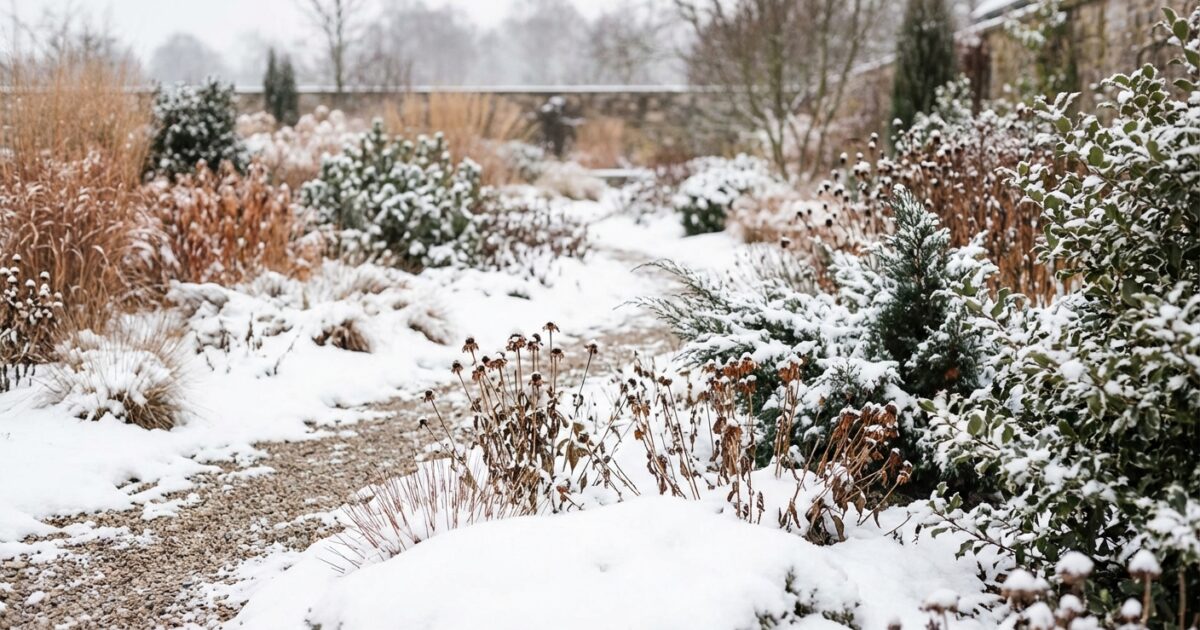
When winter storms dump feet of snow on your carefully planned native garden, you might wonder if your plants will emerge come spring. The good news? Native plants have evolved alongside your local climate for thousands of years, developing remarkable survival strategies that far exceed those of most non-native species.
Understanding how your native plants handle winter weather helps you make informed decisions about protection, recognize normal dormancy versus damage, and maintain a thriving landscape that adds value to your property.
How Native Plants Outperform Non-Natives in Winter
Native plants possess sophisticated adaptations that help them survive harsh winter conditions in ways that non-native species simply cannot match. These adaptations develop over millennia of exposure to local weather patterns, soil conditions, and seasonal cycles.
Deep root systems serve as one of the most crucial survival mechanisms. While many non-native ornamentals develop shallow, spreading roots, native plants typically grow extensive taproots that can reach several feet underground. These deep roots access moisture and nutrients below the frost line, while also anchoring the plant against winter winds and freeze-thaw cycles.
Native plants also excel at timing their dormancy periods. They begin shutting down growth and storing energy reserves well before the first frost, triggered by decreasing daylight hours rather than temperature alone. This early preparation gives them a significant advantage over non-native plants that may continue growing too late into the season, making them vulnerable to sudden cold snaps.
Chemical adaptations within native plant tissues provide additional protection. Many produce natural antifreeze compounds that prevent ice crystals from forming inside their cells, while others develop thicker bark or waxy leaf coatings that insulate against temperature fluctuations.
What Happens When Plants Disappear Under Snow
Extended snow cover actually benefits most native plants, despite initial appearances. Snow acts as an insulating blanket, maintaining relatively stable soil temperatures even when air temperatures plummet well below freezing. This insulation prevents the damaging freeze-thaw cycles that can heave plants from the ground or crack root systems.
Herbaceous perennials—native plants that die back to ground level each winter—essentially disappear under snow cover. Their root systems and crown remain alive below ground, protected by both snow insulation and the plant’s natural dormancy mechanisms. You’ll see no signs of life above ground, which is completely normal and expected.
Woody native plants, including shrubs and small trees, may bend or become partially buried under heavy snow loads. Most native woody plants can handle this pressure without permanent damage, though you should gently brush off heavy accumulations to prevent branch breakage on smaller specimens.
The duration of snow cover rarely poses problems for native plants adapted to your region. Even when snow persists for months, proper native species remain dormant until soil temperatures and daylight hours signal spring’s arrival.
Recognizing Winter Damage Versus Normal Dormancy
Learning to distinguish between winter damage and normal seasonal dormancy prevents unnecessary worry and helps you focus intervention efforts where they’re truly needed.
Normal winter dormancy signs include:
- Complete die-back of herbaceous perennials to ground level
- Brown, dry seed heads remaining on ornamental grasses
- Deciduous shrubs and trees losing all leaves
- Evergreen foliage appearing slightly dulled or bronze-tinted
- No visible growth or green shoots
Actual winter damage typically shows:
- Bark splitting or cracking on woody plants
- Broken or twisted branches
- Evergreen foliage turning brown, black, or orange rather than subtle bronze
- Pushed-up root systems (frost heaving)
- Sunken or darkened areas on stems
Most apparent damage during winter months reflects normal dormancy rather than true injury. Wait until spring growth begins before making definitive assessments about plant health or implementing rescue measures.
Pre-Winter Protection Strategies That Work
While native plants require less winter protection than non-natives, strategic preparation helps ensure optimal spring recovery and protects your landscaping investment.
Focus your pre-winter efforts on:
Mulching properly: Apply 2-3 inches of organic mulch around plant bases after the ground begins freezing. This timing prevents rodent nesting while providing root insulation. Avoid piling mulch against plant stems, which can encourage rot and pest problems.
Protecting newly planted natives: Plants installed within the previous growing season need extra attention, as their root systems haven’t fully established. Consider temporary windbreaks or additional mulch for first-year plantings.
Managing water properly: Ensure adequate soil moisture going into winter, but avoid late-season fertilizing or pruning that might stimulate new growth. Well-hydrated plants handle cold stress better than drought-stressed specimens.
Addressing structural concerns: Remove dead or damaged branches that could break under snow loads, but save major pruning for late winter or early spring when you can better assess winter damage.
Regional Considerations for Different Climate Zones
Your specific climate zone affects which protection strategies make sense and what winter behavior to expect from your native plants.
In northern regions with consistent snow cover and extreme cold, focus on preventing mechanical damage from ice and snow loads. Plants in these areas are typically well-adapted to prolonged freezing temperatures but may need protection from heavy accumulations or ice storms.
Transitional zones with fluctuating winter temperatures present unique challenges. Here, freeze-thaw cycles pose the greatest threat to plant survival. Proper mulching becomes especially critical, and you may need to provide windbreak protection during extreme weather events.
Areas with mild winters but occasional severe cold snaps require different approaches. Native plants in these regions may not enter full dormancy, making them more vulnerable to sudden temperature drops. Monitor weather forecasts and be prepared to provide temporary protection during unusual cold events.
Coastal regions face salt spray and wind exposure rather than extreme cold. Focus protection efforts on creating windbreaks and rinsing salt accumulation from plant surfaces after winter storms.
Spring Recovery Timeline and Expectations
Understanding normal spring recovery patterns helps you distinguish between slow emergence and actual winter damage, preventing premature plant replacement decisions.
Native plants typically begin showing signs of life 2-4 weeks after soil temperatures consistently reach 40-50°F. Herbaceous perennials emerge first, often as small shoots appearing at soil level. Woody plants follow with bud swelling and eventual leaf emergence.
Recovery timing varies significantly among different native species. Some early bloomers like native bulbs and wildflowers may appear while snow still covers the ground, while others wait until late spring to show activity. Grasses and late-season bloomers often don’t show significant growth until late spring or early summer.
During the recovery period, resist the urge to cut back dormant plant material too early. Dead-looking stems and seed heads may still provide winter protection for emerging growth, and many contain next season’s seeds for natural reseeding.
Assess any questionable plants by gently scraping bark with your fingernail. Green tissue underneath indicates living plants that will likely recover, while brown or black tissue suggests winter damage requiring attention.
The Investment Value of Native Plant Gardens
Beyond their superior winter survival, native plant landscapes offer significant financial advantages that benefit homeowners long-term. These gardens typically require 50-75% less maintenance than traditional ornamental landscapes once established, reducing your annual landscaping costs substantially.
Water usage drops dramatically with native plantings, as these species evolved to thrive on natural precipitation patterns. This reduction becomes increasingly valuable as water costs rise and drought restrictions become more common in many regions.
Native gardens also attract beneficial wildlife, including pollinators, birds, and natural pest control insects. This ecological richness appeals to environmentally conscious home buyers and contributes to higher property values in many markets.
The low-maintenance nature of established native gardens particularly appeals to busy homeowners and aging populations who want beautiful landscapes without intensive upkeep requirements. This broad appeal enhances your property’s marketability when selling time arrives.
Most importantly, native plant investments compound over time. Unlike annual flower beds that require complete replacement each season, native perennials and shrubs increase in size and impact year after year, providing growing value from your initial investment.
By understanding your native plants’ natural winter survival mechanisms and providing appropriate protection when needed, you’ll maintain a resilient, valuable landscape that enhances your property while requiring minimal ongoing intervention. Trust in the evolutionary adaptations that have helped these species thrive in your region for millennia, and focus your efforts on supporting their natural processes rather than fighting against them.