
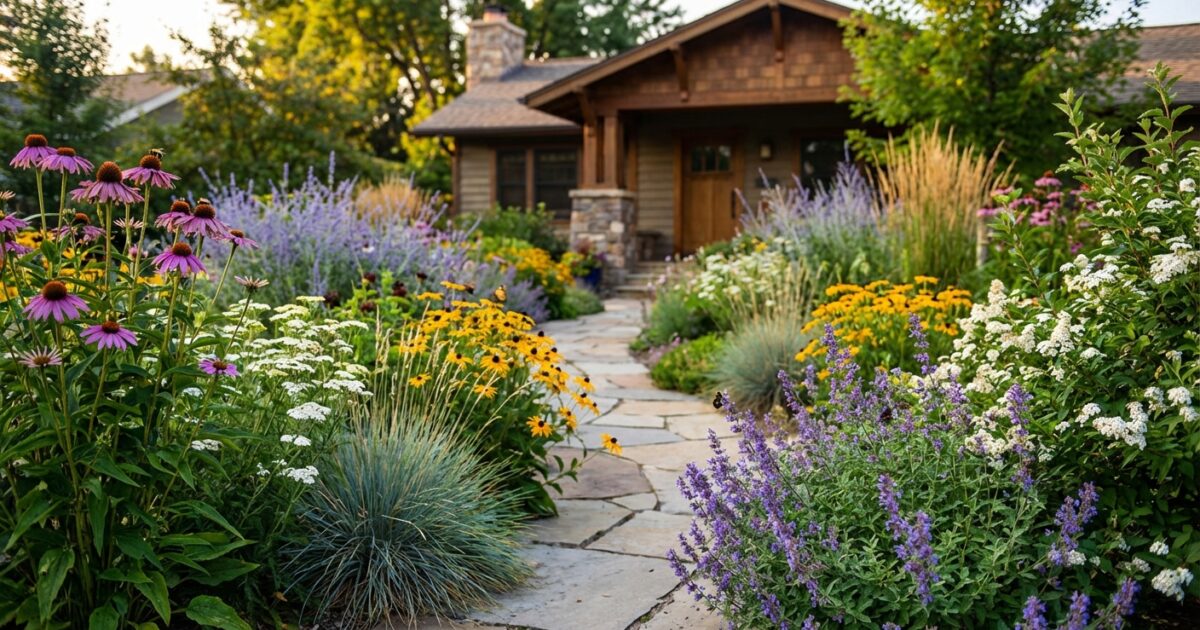
When you’re settling into your new home, the prospect of creating a beautiful landscape can feel overwhelming—especially when you consider the ongoing costs of water, fertilizers, pest control, and constant maintenance. Native plant gardening offers an elegant solution that transforms your outdoor space into a thriving ecosystem while dramatically reducing your long-term expenses and maintenance burden.
Native plants have evolved in your specific region over thousands of years, making them perfectly adapted to local soil conditions, rainfall patterns, and climate extremes. This natural advantage translates into significant benefits for your wallet, your schedule, and your property’s value.
Understanding Native Plants and Their Natural Advantages
Native plants are species that occurred naturally in your region before European colonization, developing alongside local wildlife and climate patterns. Unlike exotic ornamentals that require constant intervention to survive, native species have built-in resilience that makes them incredibly practical for homeowners.
These plants have developed deep root systems that access groundwater more effectively than shallow-rooted turf grass. They’ve also evolved natural defenses against local pests and diseases, eliminating the need for chemical interventions that exotic plants often require.
Most importantly for busy homeowners, native plants enter dormancy periods that align with your local climate, meaning they naturally slow their growth and reduce their needs during challenging seasons like drought or extreme cold.
The Financial Benefits That Keep Adding Up
The cost savings from native plant landscaping compound over time, making this one of the smartest investments you can make in your property. Your water bill will see immediate improvement, as native plants typically require 50-75% less irrigation than traditional landscaping once established.
Water savings represent the most dramatic cost reduction. While non-native lawns and ornamental plants often need daily watering during growing season, established native plants rely primarily on natural rainfall. During their first year, you’ll need to water them regularly, but after that, most native species become drought-tolerant and require watering only during extreme dry spells.
Fertilizer and soil amendment costs virtually disappear with native plants. These species have adapted to your local soil conditions, meaning they don’t need the constant feeding that exotic plants require. The money you’d typically spend on fertilizers, soil conditioners, and pH adjusters can stay in your pocket.
Pest control expenses drop significantly because native plants have co-evolved with local beneficial insects that naturally keep harmful pests in check. You’ll rarely need pesticides, fungicides, or herbicides—purchases that can easily cost hundreds of dollars annually for conventional landscapes.
Maintenance costs decrease as native plants require less frequent pruning, deadheading, and replacement than non-native species. Many native plants are self-seeding, meaning your garden becomes more established and diverse each year without additional plant purchases.
Environmental Impact That Benefits Your Property
The environmental advantages of native plants create a healthier, more resilient landscape around your home. Native species support local wildlife populations by providing food sources and habitat that exotic plants simply cannot offer. This means you’ll enjoy increased bird activity, beneficial pollinators, and natural pest control.
Your soil health improves dramatically with native plants. Their diverse root systems—from shallow fibrous roots to deep taproots—create better soil structure, increase water infiltration, and reduce erosion. This improved soil biology supports all your landscape plants and can even benefit nearby trees and shrubs.
Native plants also contribute to local water quality by reducing runoff and filtering pollutants naturally. Their extensive root systems capture rainwater that might otherwise carry fertilizers and chemicals into storm drains and waterways.
Getting Started: Your Path to Native Plant Success
Begin your native plant journey by researching species that naturally occur in your specific region. Your local climate, soil type, and rainfall patterns determine which plants will thrive with minimal intervention.
Research local species through your county extension office, which typically maintains lists of recommended native plants for different landscape situations. Many extension services offer online databases where you can search by criteria like sun exposure, soil moisture, and mature plant size.
Visit local native plant sales, often held by botanical gardens, environmental organizations, or native plant societies. These events offer plants specifically suited to your area, often at prices lower than garden centers. The vendors are usually knowledgeable local gardeners who can provide specific advice for your conditions.
Start small with a dedicated native plant area rather than attempting to transform your entire landscape at once. Choose a manageable space—perhaps a foundation border or a problem area where grass struggles—and concentrate your efforts there. Success in one area will give you confidence and knowledge to expand.
Consider your site conditions carefully. Observe how water moves through your landscape, where sun and shade fall throughout the day, and what soil conditions exist in different areas. Native plants are available for every situation, from wet clay to sandy slopes to deep shade.
Plant selection strategy should include a mix of species that provide different functions: ground covers to suppress weeds, shrubs for structure and wildlife habitat, and accent plants for seasonal color. Focus on plants that serve multiple purposes, such as native grasses that provide erosion control, wildlife habitat, and attractive seed heads for winter interest.
Avoiding Common Native Plant Mistakes
New native plant gardeners often make predictable mistakes that can be easily avoided with proper planning. The biggest error is expecting native plants to behave like exotic ornamentals, requiring constant attention and producing non-stop blooms.
Don’t over-water established native plants. After their first growing season, most native species prefer natural rainfall cycles and can be damaged by excessive irrigation. Monitor soil moisture and water only during extended dry periods.
Avoid applying fertilizers to native plants, which can actually harm them by encouraging excessive growth that makes them more susceptible to pests and diseases. Native plants have evolved to thrive in local soil conditions without supplemental feeding.
Timing matters for native plant installation. Fall planting gives native species time to establish root systems before the stress of their first summer, while spring planting requires more careful attention to watering through the growing season.
Don’t expect instant gratification. Native plants often focus their first year’s energy on root development rather than top growth. The gardening adage “first year they sleep, second year they creep, third year they leap” particularly applies to native species.
Resist the urge to clean up native plant areas too thoroughly. Many native plants benefit from leaving seed heads through winter for wildlife food, and some species rely on self-seeding for natural propagation.
Boosting Property Value and Curb Appeal
Well-designed native plant landscapes increase property values by creating distinctive, sustainable outdoor spaces that appeal to environmentally conscious buyers. Native landscapes require less ongoing maintenance, which represents valuable savings that future homeowners will appreciate.
Native plant gardens provide year-round interest through seasonal changes that exotic plants often cannot match. Spring wildflowers give way to summer prairie blooms, followed by colorful fall foliage and interesting winter seed heads and bark textures.
The wildlife activity that native plants attract—birds, butterflies, and beneficial insects—creates a dynamic, living landscape that many homebuyers find appealing. This natural activity suggests a healthy, balanced environment around the home.
Professional landscapers increasingly incorporate native plants in high-end designs, making native landscapes associated with sophisticated, contemporary outdoor spaces rather than “wild” or unkempt areas.
Resources for Continued Learning
Your county extension office provides the most reliable, locally-specific information about native plants in your area. Extension agents can recommend species for specific conditions, provide planting guides, and often offer workshops or plant sales.
State native plant societies maintain extensive resources, including plant databases, recommended reading lists, and local chapter meetings where you can connect with experienced native plant gardeners. These organizations often organize field trips to see native plants in their natural habitats.
Online databases like the Lady Bird Johnson Wildflower Center’s Native Plant Database allow you to search for plants by state, growing conditions, and desired characteristics. Many state universities maintain similar databases tailored to local conditions.
Local botanical gardens and nature centers often feature native plant demonstration gardens where you can observe mature specimens and learn about their growing habits and maintenance requirements.
By choosing native plants for your landscape, you’re making a smart investment that pays dividends in reduced maintenance, lower utility bills, increased property value, and the satisfaction of supporting local ecosystems. The initial learning curve quickly pays off as you discover how rewarding it can be to work with nature rather than against it.