
When your electric bill suddenly jumps from manageable to shocking—perhaps tripling overnight or climbing to levels that seem impossible—you’re facing one of homeownership’s most stressful surprises. If your usage has spiked to 200+ kilowatt-hours (kWh) per day when you normally use 30-50 kWh daily, you’re dealing with an extreme situation that demands immediate attention.
The good news? These dramatic spikes almost always have identifiable causes, and many can be diagnosed and resolved by methodical homeowners. The key is understanding what constitutes normal usage versus emergency levels, then following a systematic approach to find the culprit.
Understanding Normal vs. Extreme Energy Usage
Before diving into diagnostics, you need baseline numbers. The average American home uses 28-30 kWh per day, though this varies significantly by home size, climate, and appliances. Here’s what different usage levels typically indicate:
- 30-50 kWh daily: Normal for most homes with standard appliances and moderate heating/cooling
- 60-80 kWh daily: Higher than average but explainable by larger homes, electric heating, pools, or hot tubs
- 100+ kWh daily: Concerning and likely indicates a problem requiring investigation
- 200+ kWh daily: Emergency-level usage suggesting major equipment malfunction or electrical issues
Seasonal variations are normal—expect 20-40% higher usage during peak heating or cooling months. However, sudden jumps that persist across multiple days, especially during mild weather, signal problems that won’t resolve themselves.
Common Culprits Behind Extreme Energy Usage
HVAC System Malfunctions
Your heating and cooling system typically accounts for 40-50% of your energy usage, making it the prime suspect when bills spike. Common HVAC-related causes include:
- Faulty thermostats stuck in heating or cooling mode
- Malfunctioning heat pumps running auxiliary electric heat continuously
- Broken contactors causing systems to run non-stop
- Refrigerant leaks forcing systems to work harder
- Clogged filters creating excessive strain
Water Heating Issues
Water heaters can become energy vampires when they malfunction. Watch for:
- Faulty thermostats causing continuous heating cycles
- Broken heating elements that never shut off
- Insulation problems leading to constant heat loss
- Recirculation pumps running continuously when they should cycle
Hidden Appliances and Equipment
Sometimes the culprit is equipment you’ve forgotten about or inherited with your home:
- Pool heaters, pumps, or hot tub systems running constantly
- Well pumps with faulty pressure switches
- Electric space heaters left running in unused rooms
- Older refrigerators or freezers in basements or garages working overtime
- Electric vehicle chargers with timer malfunctions
Electrical System Problems
More serious issues within your electrical system can create dangerous and expensive problems:
- Ground faults causing current leakage
- Faulty wiring creating resistance and heat
- Arc faults in circuits drawing excessive power
- Damaged underground cables or service connections
Your Step-by-Step Diagnostic Process
Step 1: Verify the Problem
Start by confirming your usage is actually excessive. Check your electric meter reading at the same time for several consecutive days. If you’re seeing increases of 100+ kWh daily, you have a real problem that needs immediate attention.
Contact your utility company to verify meter accuracy and request usage history. Occasionally, faulty meters or billing errors create false alarms, though this is rare with extreme usage levels.
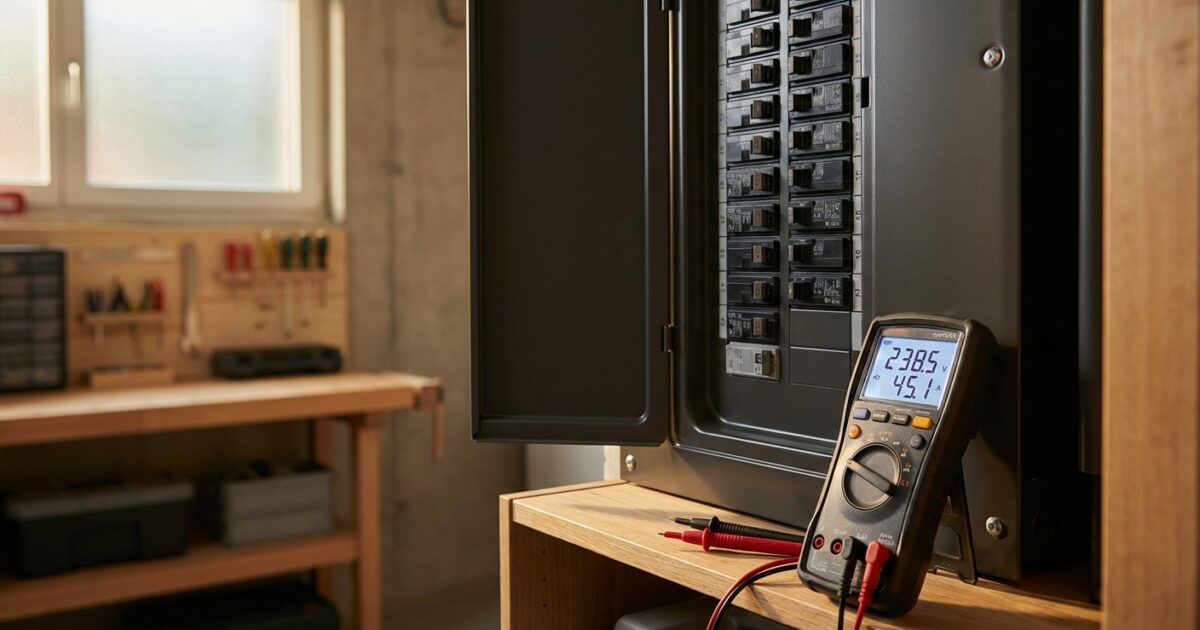
Step 2: The Circuit Breaker Test
This simple test can quickly identify which area of your home is consuming excessive power. Turn off circuit breakers one at a time while monitoring your electric meter’s usage display (if digital) or watching the spinning disc slow down (if analog).
When you flip a breaker and see a dramatic reduction in power consumption, you’ve found your problem circuit. Pay special attention to:
- HVAC system breakers (often 220V double breakers)
- Water heater circuits
- Appliance-specific breakers
- Outdoor equipment circuits
Safety note: Only perform this test during daylight hours when you can safely navigate your home. Never touch electrical panels with wet hands, and if you’re uncomfortable working with breakers, call a professional.
Step 3: Major Appliance Investigation
For appliances on the problem circuit, conduct targeted inspections:
HVAC Systems: Check if your system runs constantly by listening for continuous operation over several hours. Feel air coming from vents—if it’s the wrong temperature or if the system never cycles off, you’ve likely found your culprit.
Water Heaters: Place your hand near the unit (not touching) to feel for excessive heat. Listen for continuous humming or heating sounds that should be intermittent.
Pool Equipment: Verify timers are working correctly and equipment shuts off as programmed. Pool heaters, in particular, can consume enormous amounts of electricity when malfunctioning.
Step 4: Hidden Load Detection
Search areas you don’t visit daily:
- Basements and crawl spaces for forgotten appliances
- Garages for refrigerators, space heaters, or workshop equipment
- Utility rooms for well pumps, water softeners, or other equipment
- Outdoor areas for landscape lighting, pond pumps, or holiday decorations left running
When to Call Professionals Immediately
Some situations require immediate professional intervention for safety and to prevent property damage:
- Burning smells or hot electrical panels: Call an electrician immediately
- Flickering lights with high usage: Indicates serious electrical problems
- Usage above 300 kWh daily: Suggests major system failure or dangerous electrical faults
- Multiple appliances malfunctioning simultaneously: Points to electrical system problems
- Any time you’re unsure about electrical safety
HVAC technicians should handle heating and cooling system diagnostics beyond basic visual inspections. Water heater problems often require plumbing expertise, especially with gas units.
Prevention and Monitoring Strategies
Once you’ve resolved your immediate crisis, implement monitoring systems to prevent future surprises:
Smart Meters and Apps: Many utility companies offer real-time usage monitoring through smartphone apps. Set up alerts for unusual consumption patterns.
Individual Circuit Monitoring: Consider whole-home energy monitors that track individual circuit usage, helping you identify problems before they become expensive.
Regular Equipment Maintenance: Schedule annual HVAC tune-ups, water heater inspections, and electrical system checks. Replace HVAC filters monthly and keep equipment clean and unobstructed.
Seasonal Equipment Checks: Before each heating and cooling season, test your systems to ensure they’re cycling properly and maintaining set temperatures efficiently.
The Real Cost of Delayed Action
Extreme energy usage isn’t just about high bills—it represents potential safety hazards and equipment damage. A malfunctioning HVAC system running continuously can fail completely, requiring expensive emergency replacement. Electrical faults can create fire hazards or damage other connected equipment.
From a financial perspective, usage of 200+ kWh daily can cost $30-60 per day depending on your electricity rates. Over a month, you’re looking at bills exceeding $1,000-2,000, making immediate diagnosis and repair both urgent and cost-effective.
Most importantly, don’t let embarrassment or fear of repair costs prevent you from taking action. The longer extreme usage continues, the more expensive resolution becomes—and the higher the risk of safety issues or complete equipment failure.
By following this systematic diagnostic approach, you can identify most causes of extreme energy usage and take appropriate action. Remember that while some checks are safe for homeowners, electrical and major appliance repairs should be left to qualified professionals. The investment in proper diagnosis and repair will quickly pay for itself through restored normal energy usage and prevented equipment damage.