
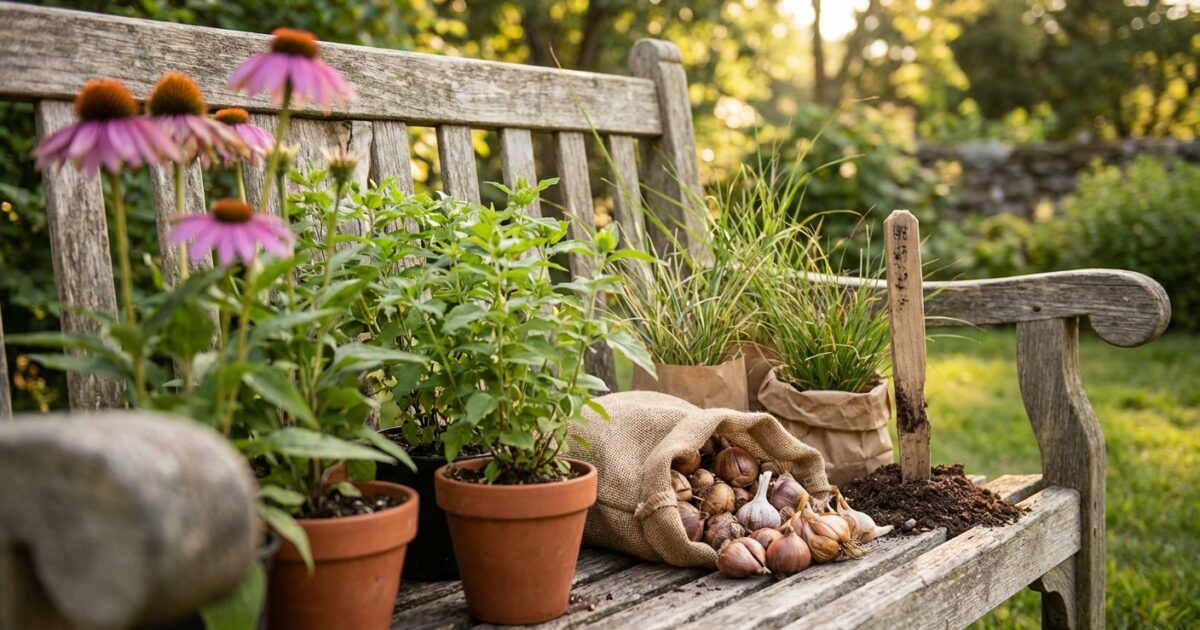
Native plants represent one of the smartest investments you can make in your home landscape. These locally adapted species require less water, need minimal fertilization, resist regional pests naturally, and support local wildlife—all while adding significant curb appeal to your property. The challenge many homeowners face is finding these valuable plants at prices that won’t strain their landscaping budget.
The good news is that native plants are becoming increasingly available at unexpected venues, often at prices substantially lower than traditional nurseries. With strategic shopping and timing, you can create a stunning native plant garden that saves money both upfront and for years to come.
Why Native Plants Are Worth Your Investment
Before diving into shopping strategies, it’s important to understand why native plants deliver exceptional value for homeowners. These locally adapted species have evolved alongside your region’s climate, soil conditions, and wildlife, making them naturally suited to thrive in your yard with minimal intervention.
The water savings alone can be substantial. Native plants typically require 50-80% less irrigation than non-native species once established, translating to lower utility bills and reduced maintenance time. Their natural pest resistance means you’ll spend less on pesticides and fungicides, while their deep root systems often eliminate the need for frequent fertilizing.
From a property value perspective, mature native plantings create distinctive, region-specific curb appeal that many buyers find attractive. Real estate professionals increasingly recognize well-designed native landscapes as a selling point, particularly in areas where water conservation is a priority.
Unexpected Places to Find Native Plants at Great Prices
Warehouse Stores
Major warehouse retailers like Costco and Sam’s Club have become surprisingly reliable sources for native plants, particularly bulbs and perennials. These stores typically offer native species in bulk packages at prices that can be 40-60% lower than individual plants at garden centers.
Common finds include native wildflower seed mixes, bulb collections featuring species like wild bergamot and purple coneflower, and larger perennial plants during peak growing seasons. The key is timing—warehouse stores typically stock plants during specific windows in spring and fall, and inventory moves quickly.
Big Box Store Seasonal Sales
Home improvement stores like Home Depot and Lowe’s increasingly stock native plants, especially during end-of-season clearance events. You’ll often find native shrubs, grasses, and perennials marked down 50-75% in late summer and early fall as stores clear inventory for winter.
These sales present excellent opportunities to acquire larger, more expensive native plants like elderberry shrubs, native azaleas, or ornamental grasses at fraction of regular prices. The plants may look somewhat stressed, but native species are typically resilient and recover quickly with proper care.
Local Plant Swaps and Sales
Community plant swaps have exploded in popularity and offer access to locally-sourced native plants at minimal cost. Local gardening groups, native plant societies, and master gardener programs regularly host these events where participants trade divisions, seedlings, and cuttings.
Native plant society sales represent particularly valuable opportunities. These organizations often propagate rare or hard-to-find native species and sell them at cost to support their conservation efforts. You’ll frequently find species that aren’t available commercially, along with expert advice on growing conditions and companion plantings.
Municipal and University Programs
Many cities, counties, and universities run native plant programs offering residents access to locally-sourced plants at subsidized prices. Conservation districts sometimes sell native trees and shrubs at cost for restoration projects, while university extension programs may offer native plant starts during community events.
Check with your local extension office, environmental departments, or conservation organizations to learn about these programs in your area. The savings can be dramatic—native trees that cost $50-100 at nurseries might be available for $10-15 through these programs.
Smart Shopping Strategies and Timing
Successful native plant shopping requires understanding seasonal availability patterns. Most retailers stock bare-root and potted natives during specific windows that align with optimal planting times in your region.
Spring shopping typically offers the widest selection, as retailers prepare for peak planting season. However, prices are often highest during this period due to demand.
Late summer and fall shopping can yield significant savings, as retailers clear inventory and many native plants actually prefer fall planting. The cooler weather allows root systems to establish before winter, leading to stronger growth the following spring.
Evaluating Bulbs and Corms
When purchasing native bulbs or corms, look for specimens that feel firm and heavy for their size. Avoid any showing signs of mold, soft spots, or excessive drying. Quality bulbs should have intact papery outer layers and no visible damage.
If you’re shopping early for fall planting, proper storage is crucial. Keep bulbs in a cool, dry, well-ventilated location until planting time. Paper bags or mesh bags work well for storage, allowing air circulation while preventing moisture buildup.
Budget Planning for Native Plant Gardens
Creating an effective native plant garden on a budget requires strategic planning and realistic expectations about timeline and coverage. Rather than trying to fill large areas immediately, focus on creating impactful focal points that you can expand over time.
Calculating Plant Quantities
Start by measuring your planting areas and researching mature sizes for your chosen species. Native plants often spread naturally through runners, self-seeding, or gradual expansion, so you can typically plant them farther apart than non-native species and allow natural processes to fill gaps.
For perennial borders, plan for plants to reach mature spacing over 2-3 seasons rather than immediate full coverage. This approach allows you to purchase fewer plants initially while achieving full coverage as plants establish and spread.
Maximizing Visual Impact
Focus your initial purchases on anchor plants—larger native shrubs or ornamental grasses that provide structure and visual weight. These specimen plants create immediate impact and serve as focal points around which you can add smaller plants over time.
Group similar plants in odd-numbered clusters rather than scattering individual plants throughout your landscape. Three to five plants of the same species create much stronger visual impact than single specimens and often cost less per plant when purchased together.
Long-term Care and Cost Savings
Proper establishment care ensures your native plant investment thrives for years to come. Water new plantings regularly during their first growing season, but avoid overwatering, which can damage plants adapted to local rainfall patterns.
Mulching around new plants conserves soil moisture, suppresses weeds, and moderates soil temperature fluctuations. Use locally available organic mulches like shredded leaves or wood chips rather than expensive bagged products.
The long-term financial benefits of native plantings compound over time. Established native plants typically require minimal irrigation, rarely need fertilization, and resist regional pests without chemical interventions. Many species also provide natural pest control by attracting beneficial insects, reducing the need for landscape maintenance services.
Additionally, many native plants produce seeds that you can collect and replant, essentially providing free plants for expansion or sharing with neighbors. This natural propagation allows you to gradually expand your native plantings without additional plant purchases.
As your native plants mature and spread, they create increasingly valuable habitat for local wildlife while requiring less maintenance input from you. This combination of ecological benefit and reduced maintenance cost makes native plants one of the most cost-effective long-term landscaping investments you can make for your home.