
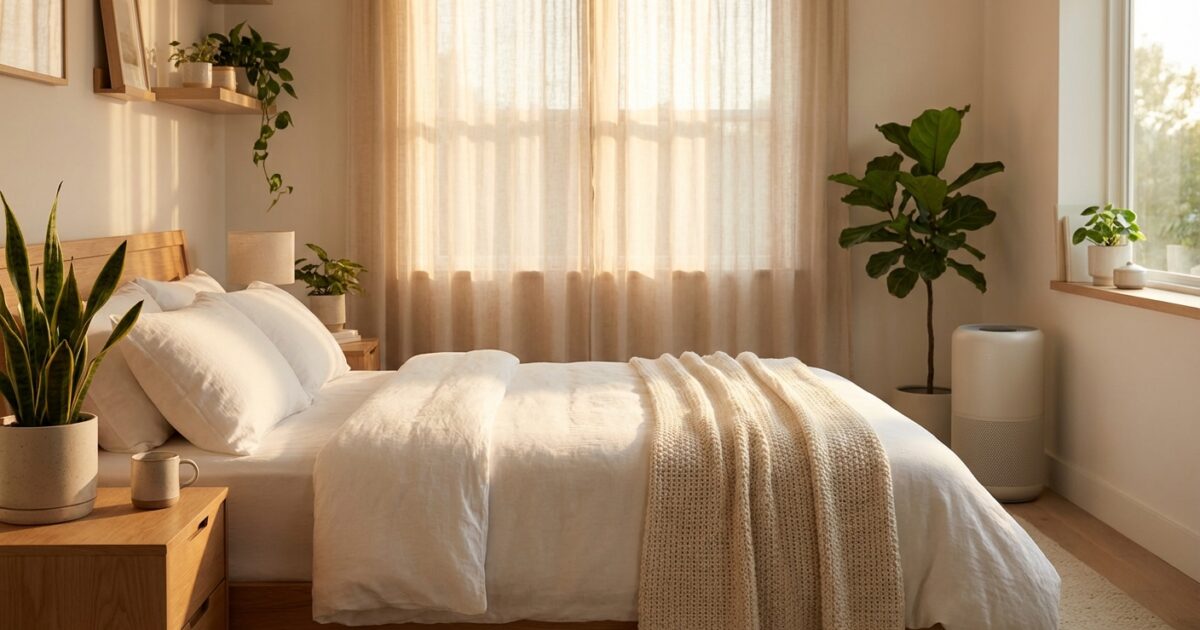
You’ve probably noticed it when visiting friends and family lately—there’s an air purifier humming quietly in the corner of the bedroom, another one in the living room, and maybe even a sleek unit in the kitchen. The sight of multiple air purifiers throughout homes has become increasingly common, leaving many homeowners wondering: should every room in your house have one?
The short answer is no—not every room necessarily needs an air purifier. However, your home might benefit from strategic placement of these devices depending on your specific air quality challenges, health concerns, and lifestyle factors. Understanding when and where air purifiers make sense requires examining your home’s unique circumstances.
Why Air Purifiers Have Gained Popularity
Several factors have contributed to the surge in air purifier adoption among homeowners. Increased health awareness has made people more conscious of the air they breathe indoors, where we spend roughly 90% of our time. The quality of that indoor air can be two to five times more polluted than outdoor air, according to environmental health experts.
Allergy and asthma sufferers have discovered that air purifiers can provide significant relief from symptoms triggered by dust mites, pollen, and pet dander. If you share your home with furry companions, you’re dealing with a constant source of airborne particles that can affect both allergic and non-allergic household members.
Cooking activities generate more airborne particles than many homeowners realize. Frying, grilling, and even toasting can release fine particles and odors that linger long after the meal is finished. Similarly, wildfire seasons have made air quality a pressing concern for millions of homeowners, particularly in western regions where smoke can infiltrate homes despite closed windows.
The pandemic heightened awareness about airborne transmission of viruses and bacteria, leading many families to invest in air purification as an additional layer of protection. While air purifiers aren’t a substitute for other health measures, they can reduce airborne pathogens in enclosed spaces.
Rooms That Benefit Most from Air Purification
Bedrooms top the priority list because you spend six to eight hours in this space nightly. Clean air during sleep can improve rest quality and reduce morning congestion or allergy symptoms. A bedroom air purifier should run quietly to avoid disturbing sleep while effectively filtering the air you breathe for hours at a time.
Living rooms and family rooms are high-traffic areas where family members spend significant time. These spaces often have multiple entry points for outdoor pollutants and may contain furniture, carpeting, and fabrics that trap and release particles. The larger size of most living areas means you’ll need a unit with appropriate coverage capacity.
Kitchens generate unique air quality challenges from cooking activities. While a quality range hood should be your first line of defense, an air purifier can help address particles and odors that escape the hood’s capture zone. Look for units specifically designed to handle cooking-related pollutants.
Home offices deserve consideration, especially if you spend long hours working from home. Electronic equipment can generate ozone and other particles, while paper documents and office supplies may contribute dust and chemical emissions.
Understanding Air Purifier Technologies
HEPA (High-Efficiency Particulate Air) filters represent the gold standard for particle removal. True HEPA filters capture 99.97% of particles 0.3 microns or larger, including dust, pollen, pet dander, and many bacteria. These mechanical filters work reliably without producing potentially harmful byproducts.
Activated carbon filters excel at removing odors, gases, and volatile organic compounds (VOCs). Carbon’s porous structure traps these molecules, making it ideal for kitchens, pet areas, or homes near busy roads. Many effective air purifiers combine HEPA and carbon filtration for comprehensive coverage.
UV-C light technology can destroy bacteria, viruses, and mold spores by damaging their DNA. However, UV systems work most effectively when combined with traditional filtration, as the light needs sufficient contact time with pathogens to be effective.
Ionic purifiers and ozone generators require careful consideration. While some ionic systems can be effective, others may produce ozone as a byproduct, which can irritate respiratory systems. Avoid ozone generators entirely, as they can worsen air quality rather than improve it.
Recognizing Poor Air Quality in Your Home
Several signs indicate your home might benefit from air purification. Persistent dust accumulation despite regular cleaning suggests high levels of airborne particles. If you find yourself dusting furniture every few days, an air purifier might help reduce the particle load.
Allergy symptoms that worsen indoors or improve when you leave home point to indoor air quality issues. Sneezing, congestion, itchy eyes, or respiratory irritation that follows patterns related to your time at home warrants investigation.
Lingering odors from cooking, pets, or unknown sources indicate that your home’s natural ventilation isn’t adequately removing airborne contaminants. Visible particles in sunbeams or a general sense of stuffiness can also signal air quality problems.
If anyone in your household has asthma, COPD, or other respiratory conditions, improving air quality becomes more critical. These individuals are more sensitive to airborne irritants and may experience significant symptom improvement with cleaner air.
Cost Considerations and Energy Impact
Air purifier costs vary dramatically based on size, features, and filtration technology. Expect to invest between $100 and $800 per unit for quality residential air purifiers. However, the initial purchase price represents only part of your total cost of ownership.
Filter replacement costs add up over time. HEPA filters typically need replacement every 6-12 months, costing $20-100 each. Activated carbon filters may need more frequent replacement in high-odor environments. Factor these ongoing expenses into your budget when considering multiple units.
Energy consumption varies by model and usage patterns. Most air purifiers use between 50-200 watts of electricity, similar to a light bulb or computer monitor. Running a unit continuously might add $10-30 to your monthly electric bill, depending on local utility rates and the unit’s efficiency.
Alternatives and Complementary Solutions
Before investing in multiple air purifiers, explore other strategies that might address your air quality concerns. Proper ventilation forms the foundation of good indoor air quality. Ensure your HVAC system receives regular maintenance, including timely filter changes with high-quality filters.
Upgrading your HVAC filter to a higher MERV rating (8-13 for residential systems) can significantly improve whole-house air filtration. This approach costs less than multiple room purifiers and provides system-wide benefits, though it won’t match the targeted effectiveness of dedicated units in specific rooms.
Strategic use of houseplants can complement mechanical air purification, though their impact is modest compared to modern air purifiers. Plants like spider plants, peace lilies, and snake plants can remove some indoor pollutants while adding natural beauty to your living spaces.
Humidity control plays a crucial role in air quality. Maintaining relative humidity between 30-50% helps reduce dust mite populations and mold growth while preventing air from becoming uncomfortably dry. A whole-house humidifier or dehumidifier might address some air quality issues more effectively than purification alone.
Source control often proves more effective than filtration. Minimize the use of products that release VOCs, maintain your HVAC system properly, control moisture sources, and establish shoe-free zones to reduce tracked-in pollutants.
Selecting the Right Air Purifier for Each Space
Room size determines the minimum capacity you’ll need from an air purifier. Manufacturers specify coverage areas based on the unit’s ability to filter the room’s air volume multiple times per hour. Choose a unit rated for at least your room’s square footage, or consider a larger capacity for faster air turnover.
Noise levels matter, especially for bedrooms and quiet spaces. Look for units that operate at 50 decibels or less on their higher settings, and ensure they have a quiet sleep mode for overnight operation.
Consider your specific air quality challenges when selecting filtration technology. Homes with pets benefit from HEPA filtration combined with activated carbon. Kitchen units should prioritize carbon filtration for odor control. Allergy sufferers should focus on HEPA efficiency ratings and sealed filter systems.
Smart features like air quality sensors, automatic mode adjustments, and smartphone connectivity can enhance convenience and effectiveness. However, these features aren’t essential for air purification performance.
Maintenance Requirements
Regular maintenance ensures your air purifiers continue operating effectively. Check pre-filters monthly and vacuum or wash them as needed. These outer filters capture larger particles and extend the life of more expensive HEPA filters.
Replace filters according to manufacturer recommendations or sooner if you notice reduced airflow or persistent odors. Some units include filter change indicators, but visual inspection and performance changes provide more reliable guidance.
Keep air intake and outlet vents clear of obstructions. Furniture, curtains, or decorations that block airflow reduce purification effectiveness. Position units away from walls and corners to maximize air circulation.
Clean the unit’s exterior and sensors regularly to maintain optimal performance. Dust accumulation on sensors can affect automatic operation modes and air quality readings.
Your decision about air purifiers should align with your specific needs, budget, and home characteristics. Start by identifying your primary air quality concerns and the rooms where you spend the most time. A single, well-placed unit might address your needs more effectively than multiple smaller purifiers. Focus on addressing the root causes of air quality issues while using purification to supplement your overall strategy for healthier indoor air.