
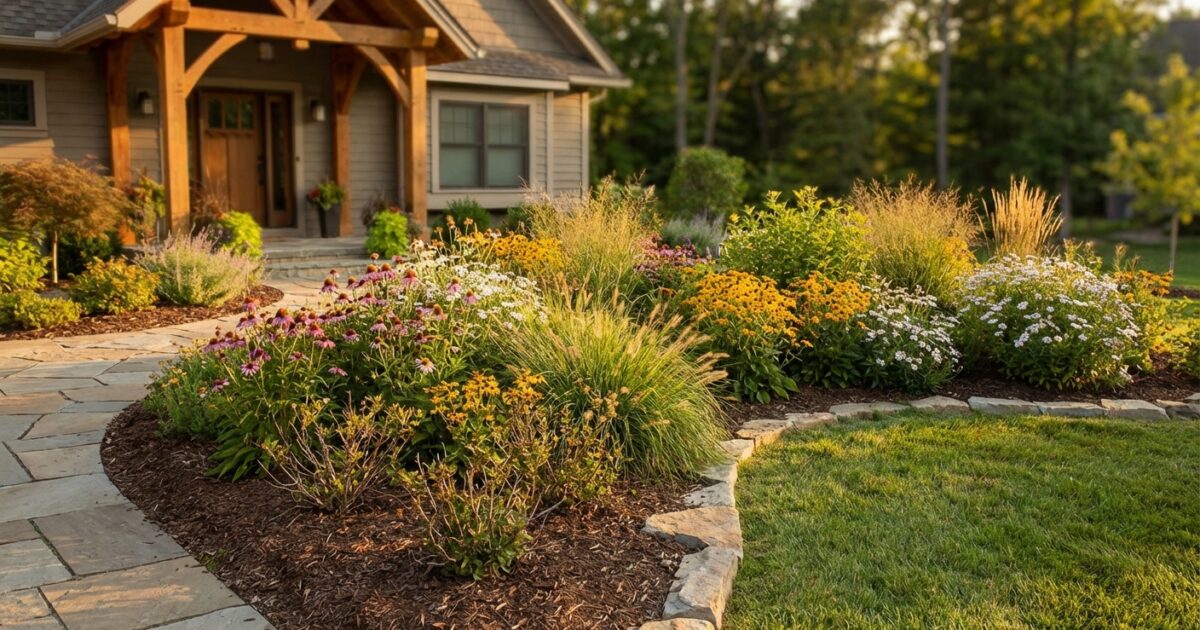
Your new home’s lawn might look pristine, but underneath that green carpet lies an opportunity for something far more rewarding. Native plant landscaping offers you a chance to create outdoor spaces that are not only stunning but also support local wildlife, reduce maintenance costs, and increase your property value—all while requiring less water, fertilizer, and weekend mowing.
The transformation from traditional turf to native garden doesn’t happen overnight, and that’s actually good news for your budget and sanity. A thoughtful, phased approach allows you to learn as you grow, spread costs over several seasons, and avoid the overwhelming prospect of redesigning your entire landscape at once.
Why Native Plants Make Financial Sense for Homeowners
Before you start planning your garden transformation, you’ll want to understand the compelling economics of native landscaping. Native plants typically reduce water bills by 30-50% once established, since they’ve evolved to thrive in your local rainfall patterns. You’ll also eliminate most fertilizer costs—native plants don’t need the chemical supplements that keep non-native grass alive in unsuitable climates.
Maintenance savings add up quickly too. While you might mow weekly during growing season, established native gardens need attention just a few times per year. Many native plants are perennials that return stronger each season, eliminating the annual expense of replanting flower beds.
From a property value perspective, mature native landscaping appeals to environmentally conscious buyers and those seeking low-maintenance outdoor spaces. Real estate agents increasingly report that distinctive, well-designed native gardens help properties stand out in competitive markets.
Your Five-Year Transformation Timeline
The most successful native landscape transformations follow a deliberate timeline that allows plants to establish while you learn what works in your specific conditions.
Year One: Planning and Small Victories
Start by observing your property through all four seasons before making major changes. Note which areas stay wet after rain, where snow melts first, and how shadows move across your yard. This information becomes crucial when selecting plants.
Begin with one manageable area—perhaps a 10-foot border along your front walkway or a corner of the backyard that’s difficult to mow. Remove turf in this space and plant a mix of native perennials and grasses. This gives you immediate visual impact while you plan larger changes.
Use this first year to research your region’s native plant communities and connect with local native plant societies or extension offices. They often host plant swaps and sales where you can acquire plants affordably while getting advice from experienced gardeners.
Years Two and Three: Expanding the Vision
With one successful bed under your belt, you can tackle larger areas. Consider creating defined planting zones rather than scattering small gardens throughout your property. Connected garden beds create more visual impact and are easier to maintain than isolated patches.
This is when you might remove invasive species that compete with natives. Orange daylilies, while pretty, can spread aggressively and crowd out native plants. Remove them by digging up the entire root system in early spring, then immediately plant natives in the cleared space to prevent weeds from taking hold.
Years Four and Five: Maturation and Fine-Tuning
By the fourth year, your earliest plantings will look established and may even be producing seeds or spreading naturally. You can now make subtle adjustments, moving plants that aren’t thriving in their current spots and adding new species to fill any gaps in seasonal interest.
This is also when you’ll start seeing the full ecological benefits—native birds nesting in your shrubs, butterflies throughout the growing season, and the satisfaction of outdoor spaces that largely take care of themselves.
Creating Family-Friendly Native Gardens
If you have children or pets, you’ll want to prioritize safety alongside beauty. Fortunately, many native plants are excellent choices for family landscapes. Purple coneflowers, black-eyed susans, and native grasses provide visual interest without toxicity concerns.
Avoid natives with thorns near play areas, and research any plants with berries—while many native berries are edible, some are best left for wildlife. Create clear pathways through garden areas so children can explore safely, and consider designating specific zones where kids can dig, plant seeds, or create fairy gardens within your larger native landscape.
For pet owners, native plants often present fewer risks than common landscaping plants like azaleas or lily varieties. However, always research any plant before adding it to areas where pets spend time.
Maximizing Curb Appeal with Native Plants
Your front yard sets the tone for your entire property, and native plants can create striking curb appeal when planned thoughtfully. Focus on creating layers of height and texture rather than relying solely on colorful flowers.
Plant native shrubs as anchor points, then fill in with perennials of varying heights. Include native grasses for movement and year-round structure. Many native plants offer multiple seasons of interest—spring flowers, summer foliage, fall seed heads, and winter architectural forms.
Consider bloom timing when planning front yard gardens. You want some color throughout the growing season rather than one spectacular month followed by months of green. Early spring bulbs like native trout lilies can bridge the gap between winter and the main growing season.
Working with Small Spaces and Budget Constraints
You don’t need acres to create impactful native landscaping. Small urban yards can support surprisingly diverse native plant communities when space is used efficiently. Vertical gardening with native vines, layered plantings that make use of different heights, and choosing plants that provide multiple benefits (like edible natives or those with particularly long bloom periods) help maximize impact in limited space.
Budget-conscious approaches include starting plants from seed, participating in plant swaps, and dividing perennials from friends’ gardens. Many native plants are excellent candidates for seed starting, and packets of native wildflower seeds cost a fraction of purchasing mature plants.
Time your purchases strategically. End-of-season sales at nurseries often include native plants at significant discounts. These plants will establish root systems over winter and emerge stronger in spring.
Regional Plant Selection Strategies
Successful native gardening starts with understanding your local plant communities. What grows wild in nearby parks, nature preserves, or undeveloped areas? These observations guide your plant selections better than any generic native plant list.
Contact your local extension office for region-specific native plant recommendations. Many states maintain databases of native plants organized by growing conditions, bloom times, and wildlife value. Some regions have native plant societies that offer garden tours, allowing you to see mature native landscapes before planning your own.
Consider microclimates within your property. The south-facing slope near your foundation creates different growing conditions than the low spot where rainwater collects. Matching plants to these specific conditions ensures better establishment and long-term success.
Managing Expectations and Celebrating Progress
Native plant gardening requires patience, but the rewards compound over time. First-year plantings may look sparse, but remember that natives typically focus energy on root development before dramatic top growth. This investment in strong root systems pays dividends in subsequent years when plants spread naturally and weather extreme conditions without intervention.
Keep a garden journal with photos showing your landscape’s evolution. You’ll be amazed at the transformation when you compare early photos with your garden after just three growing seasons. Document which plants thrive in specific locations and note wildlife observations—this information becomes invaluable as you expand your native plantings.
Consider your native landscape an investment in both your property and your local ecosystem. Each season brings new discoveries, from the first butterfly species attracted to your native flowers to the birds that begin nesting in your maturing shrubs. You’re creating something beautiful that also contributes to the health of your local environment—a legacy that will benefit both your family and your community for decades to come.