
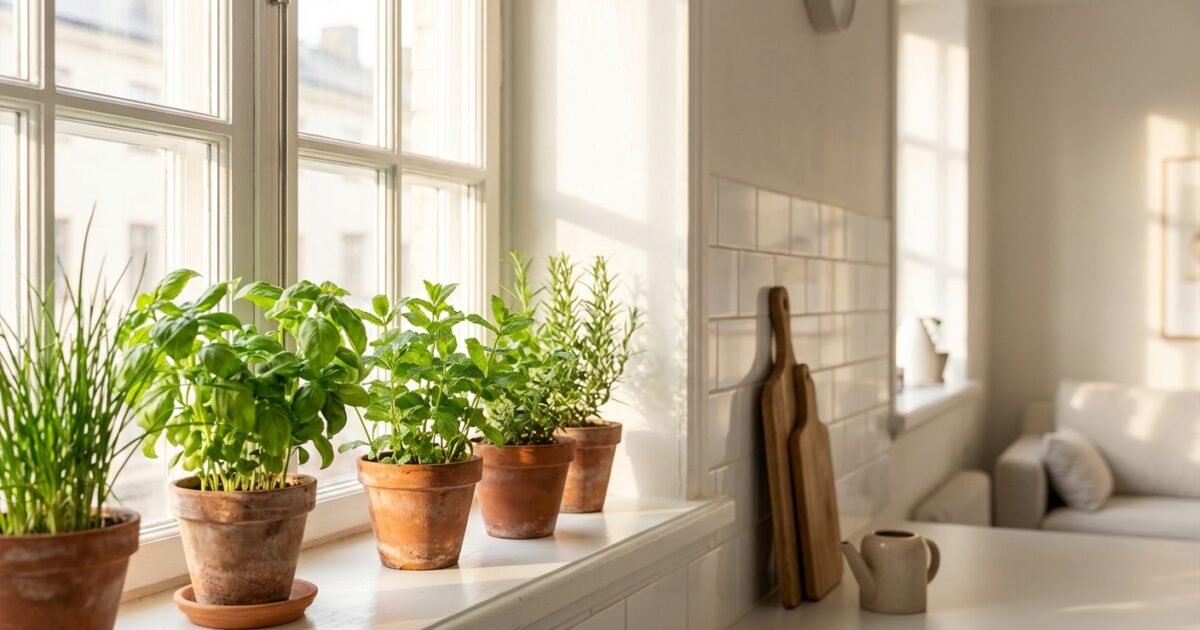
Living in an apartment or small space doesn’t mean you have to give up your gardening dreams. Whether you’ve downsized from a house with a yard or you’re an urban dweller looking to bring nature indoors, you can create a thriving garden oasis right in your living space. The key lies in understanding how to maximize every inch of available space while working within the constraints of apartment living.
Starting Your Windowsill Garden
Your windows are prime real estate for small-space gardening. South-facing windows receive the most light throughout the day, making them ideal for sun-loving herbs and vegetables. East and west-facing windows work well for plants that prefer moderate light, while north-facing windows suit shade-tolerant varieties.
Begin with a sturdy windowsill or install window shelves that can support the weight of containers and water. Ensure your windowsill can handle at least 10-15 pounds per square foot when fully loaded with plants and wet soil. Use saucers under all pots to protect your surfaces and catch excess water.
Start small with 4-6 inch pots for herbs and work your way up to larger containers as you gain experience. This approach prevents overwhelming yourself while building confidence in your growing abilities.
Best Plants and Herbs for Indoor Growing
Foolproof Herbs for Beginners
Basil thrives in warm, sunny spots and provides fresh leaves for cooking within weeks of planting. Choose compact varieties like ‘Spicy Globe’ or ‘African Blue’ for windowsill growing. Mint grows vigorously in containers—actually, keeping it contained prevents it from taking over outdoor gardens. Try spearmint or chocolate mint for interesting flavor variations.
Chives are virtually indestructible and regrow quickly after harvesting. They also produce attractive purple flowers that are edible. Oregano and thyme are Mediterranean herbs that prefer slightly drier conditions, making them forgiving if you occasionally forget to water.
Easy Vegetables for Small Spaces
Cherry tomatoes work well in hanging baskets or large containers near sunny windows. Look for determinate varieties that stay compact. Lettuce and spinach grow quickly in shallow containers and can be harvested as baby greens. Hot peppers like Thai chilies or small jalapeños produce abundantly in pots.
Green onions are perfect for beginners—you can even regrow them from store-bought scallions by placing the root ends in water.
Attractive Houseplants That Double as Food Sources
Microgreens provide intense nutrition and flavor while taking up minimal space. You can grow them in shallow trays and harvest them in 7-14 days. Try sunflower, pea, or radish microgreens for variety.
Sprouting seeds and legumes requires no soil and very little space. Mason jars work perfectly for growing alfalfa, mung bean, or broccoli sprouts.
Container and Planter Solutions
Choose containers with drainage holes and use high-quality potting mix rather than garden soil, which becomes too heavy and dense for container growing. Self-watering containers help maintain consistent moisture levels, especially helpful when you travel or have an unpredictable schedule.
Hanging planters maximize vertical space and work well for trailing plants like cherry tomatoes, strawberries, or cascading herbs. Install ceiling hooks rated for at least twice the weight of your fully saturated planters.
Window boxes extend your growing space outward, but check your lease agreement and local regulations before installing them on exterior sills or railings. Many apartment buildings have restrictions on items that could fall and cause injury.
Lighting Considerations for Indoor Gardens
Even the sunniest windows don’t provide as much light as outdoor gardens. Supplement natural light with LED grow lights, which run cool and use minimal electricity. Position lights 6-12 inches above plants and run them for 12-16 hours daily for leafy greens and herbs.
Full-spectrum LED panels work well for larger setups, while clip-on LED bulbs are perfect for individual plants. Look for lights with adjustable intensity and timing features to simulate natural daylight cycles.
Rotate your plants weekly to ensure even growth, as indoor plants tend to lean toward their light source.
Watering Systems for Small Spaces
Consistency is crucial for container plants, which dry out faster than ground-planted gardens. Check soil moisture by inserting your finger an inch deep into the potting mix. Most herbs prefer soil that’s moist but not soggy.
For vacation watering or consistent moisture, try self-watering spikes, which slowly release water from a reservoir. You can create DIY versions using plastic bottles with small holes in the caps.
Drip trays or plant saucers are essential for protecting surfaces, but empty them regularly to prevent root rot. Standing water attracts pests and can damage plant roots.
Creative Vertical Gardening Solutions
Think vertically to maximize your growing space. Wall-mounted planter systems, ladder-style plant stands, and hanging garden organizers create multiple growing levels in a small footprint.
Repurpose over-the-door shoe organizers as vertical herb gardens—just ensure they have drainage holes. Magnetic planters work on refrigerators or metal surfaces, perfect for kitchen herbs.
Create a living wall using modular planting systems or by mounting multiple small containers on a wooden frame. This approach works especially well for shallow-rooted plants like lettuce and herbs.
Working Within Apartment Constraints
Understanding Lease Restrictions
Review your lease carefully for restrictions on alterations, exterior attachments, or weight limits on balconies. Many leases prohibit drilling into walls or installing anything on building exteriors.
Focus on freestanding solutions that don’t require permanent installation. Plant stands, rolling carts, and tension-pole systems maximize space without violating lease terms.
Managing Weight Limits
Balconies have weight restrictions, typically 40-100 pounds per square foot. Wet soil is surprisingly heavy—a large planter can easily weigh 50 pounds when watered. Distribute weight evenly and consider lightweight containers made from fiberglass or resin.
Use soilless potting mixes, which weigh less than traditional potting soil while providing excellent drainage and nutrition.
Creating Portable Gardens
If you rent and move frequently, invest in lightweight, modular systems that can travel with you. Fabric grow bags, collapsible containers, and stackable planters make relocation easier.
Keep a garden journal documenting what works in different light conditions and spaces. This knowledge becomes invaluable when setting up gardens in new homes.
Maximizing Limited Space
Use every available surface strategically. Kitchen counters, bathroom windowsills, and even the top of your refrigerator can become growing spaces with proper lighting.
Succession planting—sowing new seeds every 2-3 weeks—provides continuous harvests from the same containers. This technique works especially well with fast-growing greens and herbs.
Companion planting allows you to grow multiple species in single containers. Pair tall plants like tomatoes with low-growing herbs like basil, or combine different lettuce varieties for an attractive mixed salad container.
Common Challenges and Solutions
Pest management in apartments requires gentle solutions. Sticky traps catch flying insects, while neem oil spray handles aphids and other soft-bodied pests without harsh chemicals that might affect neighbors.
Humidity can be challenging in dry apartments or during winter heating seasons. Group plants together to create micro-climates, use humidity trays filled with pebbles and water, or run a small humidifier nearby.
Limited storage space means choosing versatile tools. A small hand trowel, watering can with a narrow spout, and pruning shears handle most indoor gardening tasks.
Building Skills for Future Homeownership
Indoor gardening teaches essential skills that transfer beautifully to outdoor gardens. You’ll learn about plant nutrition, watering schedules, pest identification, and seasonal growing patterns—all valuable knowledge for managing larger garden spaces.
Experiment with seed starting indoors, as this skill proves invaluable when you have outdoor space for transplants. Learn about soil composition, fertilizer needs, and plant spacing through your container experience.
Keep detailed records of your successes and failures. Understanding which varieties perform best in your care, your natural watering tendencies, and your preferred growing methods will guide future garden planning.
Start composting kitchen scraps in small indoor systems or worm bins. This sustainable practice reduces waste while creating rich soil amendments for your plants. The knowledge and habits you develop will scale up perfectly when you have yard space for larger composting systems.
Most importantly, indoor gardening builds confidence and demonstrates that you can successfully grow your own food and maintain beautiful plants. These skills and the joy they bring will only expand when you eventually have more space to garden.