
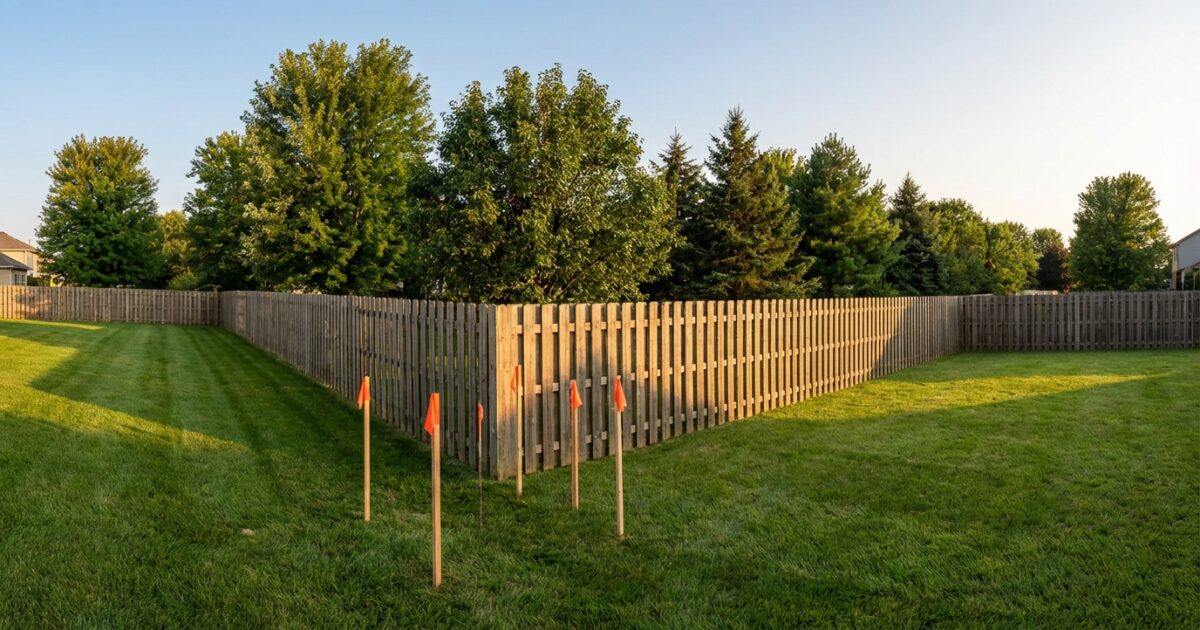
When your neighbor’s fence creeps onto your property or they start using your land as a shortcut, you’re facing one of homeownership’s most delicate challenges. Property boundary disputes can strain relationships, decrease property values, and lead to costly legal battles if not handled properly. The key lies in understanding your rights, documenting everything, and taking measured steps that protect your interests while keeping the peace whenever possible.
Confirming Your Property Boundaries
Before addressing any dispute, you need absolute certainty about where your property lines actually fall. Many boundary conflicts stem from assumptions rather than facts, and your first step involves gathering definitive proof of your property’s borders.
Start with your property deed, which contains the legal description of your land’s boundaries. However, deeds often use technical language and reference points that may no longer exist, making them difficult to interpret without professional help. Your title insurance policy may also include a survey map, though these aren’t always comprehensive enough for dispute resolution.
A professional land survey represents your most reliable boundary confirmation method. Licensed surveyors use precise measurements and legal descriptions to mark your property corners with stakes or pins, creating an official record that courts will accept. Survey costs typically range from several hundred to several thousand dollars depending on property size and complexity, but this investment often prevents much larger expenses later.
Check with your local tax assessor’s office for existing survey records, as previous owners may have commissioned surveys that remain on file. Many counties also maintain GIS mapping systems that provide approximate boundary locations, though these aren’t legally definitive for dispute resolution.
Documenting Boundary Violations
Once you’ve confirmed your boundaries, document any violations thoroughly. Courts and mediators rely heavily on evidence, and your documentation strength often determines your case’s outcome.
Take photographs from multiple angles showing the disputed area, neighboring structures, and your property markers. Include date stamps and take pictures at different times to show consistent patterns of use. Create a written log recording each incident, noting dates, times, and specific activities you observed.
Measure and map the disputed area, showing exactly how much of your property is being used without permission. If structures like fences, sheds, or gardens encroach on your land, document their dimensions and permanent nature.
Save any written communications with your neighbor about the property, including texts, emails, or letters. These communications can establish that your neighbor was aware of the boundary issue and your objections to their use.
Initial Communication Strategies
Most boundary disputes resolve through direct communication, and your approach during initial conversations often determines whether you’ll reach an amicable solution or head toward legal action.
Schedule a face-to-face conversation when both parties can talk calmly. Bring your survey or property documentation, but present it as information sharing rather than accusation. Many neighbors genuinely don’t realize they’re crossing property lines, especially when boundaries aren’t clearly marked.
Focus on finding mutually beneficial solutions. Perhaps your neighbor needs access to maintain their property, which could be addressed through a formal easement agreement. Maybe they’re willing to relocate a fence or structure once they understand the boundary location.
Follow up verbal agreements with written confirmation, even if it’s just a friendly email summarizing what you discussed. This creates a record and ensures both parties understood the conversation the same way.
Understanding When to Involve Law Enforcement
Property boundary disputes straddle the line between civil and criminal matters, and understanding when police can help prevents wasted time and frustration.
Law enforcement typically handles trespassing when it involves criminal activity — someone repeatedly entering your property despite clear warnings, damaging your property, or creating safety concerns. However, most boundary disputes involve civil property rights rather than criminal trespass, making them outside police jurisdiction.
Call police if your neighbor becomes threatening, damages your property, or refuses to leave after you’ve asked them to stop trespassing. Officers can document the incident and may issue citations for criminal trespass, creating an official record of the violation.
For ongoing boundary disputes without criminal elements, focus on civil remedies rather than expecting police intervention. Officers may take a report, but they typically won’t resolve property line disagreements or remove structures from disputed areas.
Legal Notice Options
When direct communication fails, formal legal notices escalate your position while providing one more opportunity for resolution before court proceedings.
A cease and desist letter, either self-written or attorney-drafted, formally notifies your neighbor that they’re violating your property rights and demands they stop the offending behavior. This letter establishes a clear record of your objection and gives your neighbor specific notice of the problem.
Include specific details about the boundary violation, reference your survey or property documentation, and set a reasonable deadline for compliance. Keep the tone professional and factual rather than emotional or threatening.
Send the letter via certified mail with return receipt requested, creating proof of delivery. This documentation becomes important if you later need to show a judge that your neighbor was aware of the boundary dispute and your demands.
Mediation and Alternative Dispute Resolution
Before heading to court, consider mediation or arbitration services that can resolve boundary disputes more quickly and affordably than litigation.
Many communities offer neighborhood mediation services through local government or nonprofit organizations. Professional mediators help both parties communicate effectively and find creative solutions that litigation might not provide.
Mediation works best when both neighbors want to preserve their relationship and find a fair solution. The process is confidential, non-binding unless you reach agreement, and typically costs much less than attorney fees.
Some homeowner associations or community organizations also provide dispute resolution services for boundary conflicts between neighbors.
Court Proceedings and Legal Action
When other approaches fail, court action may become necessary to protect your property rights and stop ongoing violations.
Small claims court handles property disputes up to specific dollar amounts, varying by state but typically between $3,000 and $10,000. You can represent yourself in small claims court, making it more affordable than hiring an attorney for higher courts.
For more significant disputes involving valuable property or permanent structures, you may need to file in regular civil court. These cases often require attorney representation and can involve substantial costs, but they can also result in court orders requiring your neighbor to stop trespassing or remove encroaching structures.
Courts can award monetary damages for your losses, including decreased property value, survey costs, and attorney fees in some cases. However, litigation is time-consuming, expensive, and unpredictable, making it truly the last resort for most boundary disputes.
When to Hire an Attorney
Certain boundary disputes require professional legal help from the outset, while others may warrant attorney consultation before proceeding to court.
Hire an attorney immediately if the disputed property has significant value, involves complex legal issues like easements or adverse possession claims, or if your neighbor has already hired legal representation. Real estate attorneys understand property law nuances that can make or break your case.
Consider attorney consultation if your neighbor refuses to acknowledge clear boundary violations, mediation fails to resolve the dispute, or if the conflict involves structures or improvements worth thousands of dollars.
Attorney costs vary widely based on location and case complexity, but expect to pay several hundred dollars for consultation and document review, with ongoing representation costing significantly more. Some attorneys work on contingency for property disputes, though this is less common than in personal injury cases.
Preventing Future Boundary Issues
Once you’ve resolved a boundary dispute, take steps to prevent future conflicts and clearly establish your property lines for all neighbors.
Install permanent boundary markers at your property corners, making them visible and regularly maintained. Many surveyor-placed markers get buried or damaged over time, contributing to boundary confusion.
Consider fencing along disputed boundaries, which creates a clear physical barrier and established boundary line. Check local ordinances for fence requirements and ensure your fence is placed entirely on your property.
Post “No Trespassing” signs if neighbors continue using your property without permission. These signs strengthen your legal position by providing clear notice that entry is prohibited.
Maintain accurate property records and provide new neighbors with boundary information when properties change hands. Many disputes arise simply because new property owners don’t understand established boundaries.
Impact on Property Values and Sales
Unresolved boundary disputes can significantly affect your property’s value and marketability, making resolution important for both immediate peace and long-term financial interests.
Potential buyers often avoid properties with active boundary disputes or unclear property lines, viewing them as legal and financial risks. Title companies may refuse to insure properties with boundary conflicts, effectively preventing sales until issues are resolved.
Document your dispute resolution efforts and maintain records of surveys, legal notices, and agreements. This documentation helps demonstrate clear title and resolved conflicts to future buyers.
Consider how your approach to boundary disputes affects neighborhood dynamics and your property’s desirability. Homes in neighborhoods with ongoing conflicts between residents may see decreased values even if your specific property isn’t directly involved.
Preserving Neighbor Relationships
The most successful boundary dispute resolutions protect your property rights while maintaining workable relationships with neighbors you’ll continue living near for years to come.
Approach conflicts with empathy and assume good intentions until proven otherwise. Many boundary violations result from misunderstanding rather than malicious intent, and neighbors often appreciate learning about property lines they didn’t realize they were crossing.
Look for win-win solutions that address both parties’ needs. Perhaps you can grant a formal easement for access your neighbor needs, or they can provide something valuable in return for continued use of disputed property.
Keep disputes focused on specific property issues rather than personal conflicts or unrelated grievances. The goal is resolving the boundary problem, not winning a personality contest or proving who’s right about everything.
Remember that you’ll likely interact with these neighbors for years after resolving your boundary dispute. Taking a measured, professional approach protects both your property rights and your quality of life in your neighborhood. While you shouldn’t compromise your legal rights to avoid conflict, finding solutions that respect everyone’s legitimate interests creates the best foundation for future neighborly relations.