
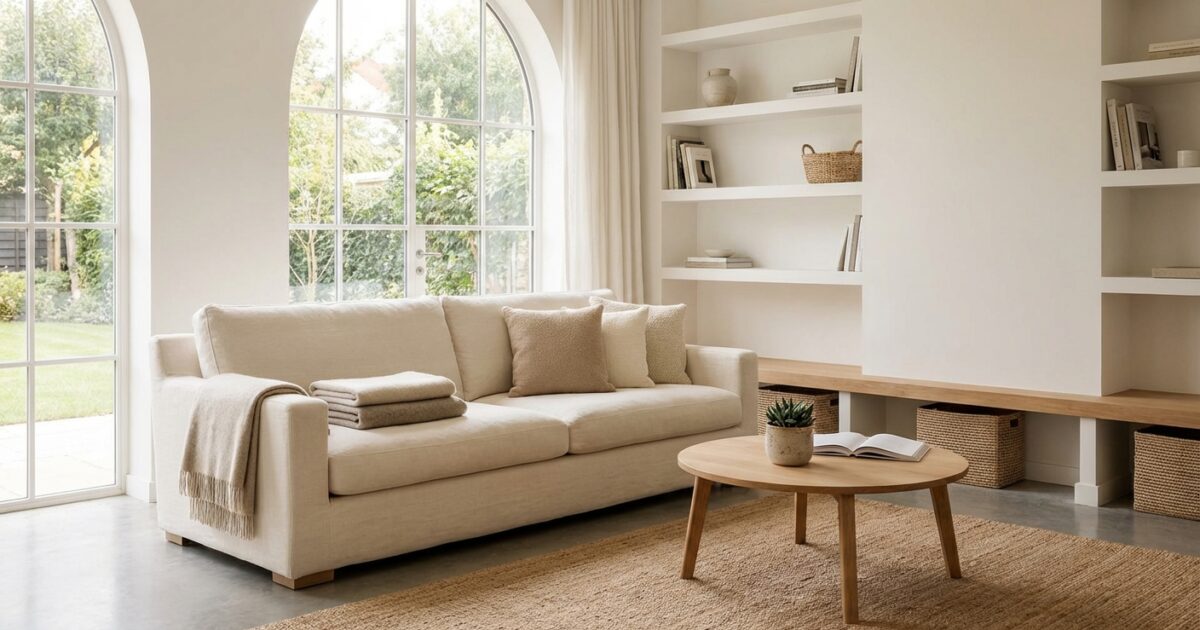
Your home should be your sanctuary, not a source of daily stress. If you’re constantly searching for misplaced items, feeling overwhelmed by clutter, or struggling to maintain order in your living space, you’re not alone. Effective decluttering isn’t just about throwing things away—it’s about creating intentional systems that support your lifestyle while maximizing your home’s potential.
Decluttering transforms more than just your physical space. You’ll discover improved mental clarity, reduced stress levels, and even potential increases in your home’s value. The key lies in approaching the process systematically, one room at a time, with clear strategies for what stays, what goes, and how to maintain your newfound organization.
The Three-Category Decision Framework
Before diving into specific rooms, establish a consistent decision-making framework. Every item in your home should fall into one of three categories:
- Keep: Items you use regularly, genuinely love, or serve a specific purpose in your current lifestyle
- Donate: Things in good condition that no longer serve you but could benefit someone else
- Discard: Broken, expired, or irreparable items that have reached the end of their useful life
As you work through each space, have three designated containers or areas ready. This system prevents the common trap of moving clutter from one location to another without actually addressing it.
Kitchen: The Heart of Home Organization
Your kitchen likely sees the most daily activity, making it crucial to maintain functional organization. Start with your pantry and cabinets, checking expiration dates and removing items you’ll never use. That specialty sauce from three years ago? It’s time to let it go.
Focus on countertop clarity by storing only frequently used appliances within easy reach. Small appliances you use weekly can stay, while occasional-use items belong in cabinets or storage areas. Create designated zones for different activities: a coffee station, prep area, and cooking zone with relevant tools nearby.
Tackle your junk drawer by completely emptying it and sorting contents into categories. Invest in drawer organizers to maintain separation between batteries, twist ties, and other miscellaneous items. If you haven’t used something in the past year, question whether it truly belongs in your most accessible storage.
Review your dish collection honestly. You don’t need eight coffee mugs if you live alone, nor do you need multiple sets of plates unless you regularly entertain. Keep what serves your actual lifestyle, not an idealized version of it.
Bedroom: Creating Your Personal Retreat
Your bedroom should promote rest and relaxation, which means eliminating visual clutter and creating calm, organized spaces. Begin with your nightstands, keeping only essential items like reading materials, charging stations, and perhaps a glass of water.
Address the chair that’s become a clothing repository. Designate specific homes for different types of clothing: dirty clothes go directly to the hamper, clean clothes return to the closet or dresser, and items needing decisions get dealt with immediately rather than piling up.
Evaluate your bedside storage thoughtfully. Do you really need those magazines from last month? Are there books you’ll never reread taking up valuable space? Create a streamlined selection that supports your current interests and needs.
Consider your bedroom’s surfaces as prime real estate. Dressers and nightstands function better when their tops remain relatively clear, creating a sense of spaciousness and calm that supports better sleep quality.
Closet: Maximizing Your Wardrobe Potential
Your closet organization directly impacts your daily routine and confidence. Start by removing everything and sorting clothes into categories: keep, donate, and discard. Try on questionable items—if something doesn’t fit well or make you feel confident, it’s taking up space that could serve better pieces.
Implement the one-year rule: if you haven’t worn something in a full year cycle, seriously consider whether it deserves closet space. Seasonal items are exceptions, but that cocktail dress you bought for a specific event five years ago probably isn’t.
Organize remaining clothes by category and frequency of use. Everyday items should be easily accessible, while special occasion pieces can occupy higher or lower spaces. Use matching hangers to create visual consistency and maximize hanging space.
Maximize vertical space with shelf dividers, stackable boxes, or hanging organizers. Floor space works well for shoes and bags, but avoid letting these areas become catch-alls for random items.
Living Areas: Balancing Function and Comfort
Living rooms and family rooms require careful balance between functionality and comfort. These spaces often accumulate items because they serve multiple purposes: relaxation, entertainment, and socializing.
Evaluate your furniture’s dual-purpose potential. Ottoman storage, side tables with drawers, and entertainment centers with closed storage help maintain clean lines while providing necessary functionality. Use these pieces to store items like remote controls, chargers, and frequently used entertainment accessories.
Address paper clutter immediately. Create a simple system for mail, bills, and important documents. Designate one location for incoming mail and schedule weekly sessions to process it completely—file, act on, or discard every piece.
Limit decorative items to pieces you genuinely love. More isn’t always better when it comes to decor. A few carefully chosen pieces create more impact than numerous small items that require constant dusting and rearranging.
Garage and Storage Areas: Reclaiming Valuable Space
Garages often become dumping grounds, but with strategic organization, they can serve their intended purpose while providing valuable storage. Start by completely clearing the space, then sort items into logical categories: automotive supplies, tools, seasonal decorations, and sporting equipment.
Install vertical storage solutions like pegboards for tools, overhead racks for seasonal items, and sturdy shelving for frequently accessed supplies. Clear, labeled containers work better than cardboard boxes for long-term storage, protecting contents from moisture and making identification easier.
Create zones within your garage based on frequency of use. Daily-use items should be easily accessible, while seasonal decorations can occupy higher or more remote areas. Maintain clear pathways to ensure safety and functionality.
Regularly reassess stored items. That exercise equipment gathering dust might benefit someone else, and broken items you’ve been meaning to fix for years probably won’t get repaired. Be honest about what deserves valuable storage space.
Digital Decluttering: Organizing Your Virtual Life
Digital clutter creates as much stress as physical clutter, affecting productivity and peace of mind. Start with your photo collection, deleting duplicates, blurry images, and photos that don’t serve any purpose. Organize remaining photos into folders by date or event for easier navigation.
Clean up your email inbox by unsubscribing from lists you never read and creating folders for important categories. Set up filters to automatically sort incoming emails, reducing the mental load of daily email management.
Review your computer files, deleting outdated documents and organizing important files into logical folder structures. Regular maintenance prevents overwhelming accumulation of digital clutter.
Address your streaming service subscriptions, social media follows, and app collections. Remove accounts you don’t use and unfollow social media accounts that don’t add value to your life.
Handling Sentimental Items and Documents
Sentimental items present unique challenges because their value isn’t functional but emotional. Create specific limits for sentimental storage—perhaps one box per family member or a designated shelf for meaningful items. This forces you to choose the most significant pieces rather than keeping everything.
For children’s artwork and school projects, consider creating annual scrapbooks or photo albums instead of keeping every piece. This preserves memories while controlling volume.
Important documents require secure, organized storage. Create a filing system for categories like insurance, taxes, warranties, and medical records. Scan documents when possible to reduce physical storage needs while maintaining easy access.
Consider digitizing old photographs and important documents as backup protection and space-saving measures. This also makes sharing with family members easier.
Sustainable Disposal and Donation Options
Responsible disposal of your decluttered items benefits both your community and the environment. Research local donation centers, including specialized organizations that accept specific items like eyeglasses, cell phones, or professional clothing.
Many communities offer electronic waste recycling programs for old computers, televisions, and appliances. Never throw these items in regular trash, as they contain materials that require special handling.
Consider hosting donation drives with neighbors or friends, making the process social and ensuring maximum benefit from your efforts. Some organizations offer pickup services for large donations, eliminating transportation barriers.
For items in excellent condition, selling platforms allow you to recoup some value while ensuring items reach people who will use them.
Maintaining Your Organized Home
The key to long-term success lies in creating maintenance systems rather than relying on periodic major overhauls. Implement daily habits like making beds, processing mail immediately, and returning items to designated homes after use.
Schedule monthly mini-decluttering sessions to prevent accumulation. Fifteen minutes per room monthly prevents the overwhelming buildup that requires weekend-long projects.
Practice mindful acquisition by considering new purchases carefully. Ask yourself where items will be stored and whether they truly add value to your life before bringing them home.
Remember that organization is personal—systems that work for others might not suit your lifestyle. Adjust strategies based on your habits, family size, and home layout to create sustainable solutions.
Your decluttered, organized home becomes a foundation for the life you want to live. By implementing these room-by-room strategies and maintaining consistent systems, you’ll create a space that supports your goals, reduces stress, and allows your home’s true potential to shine through.