
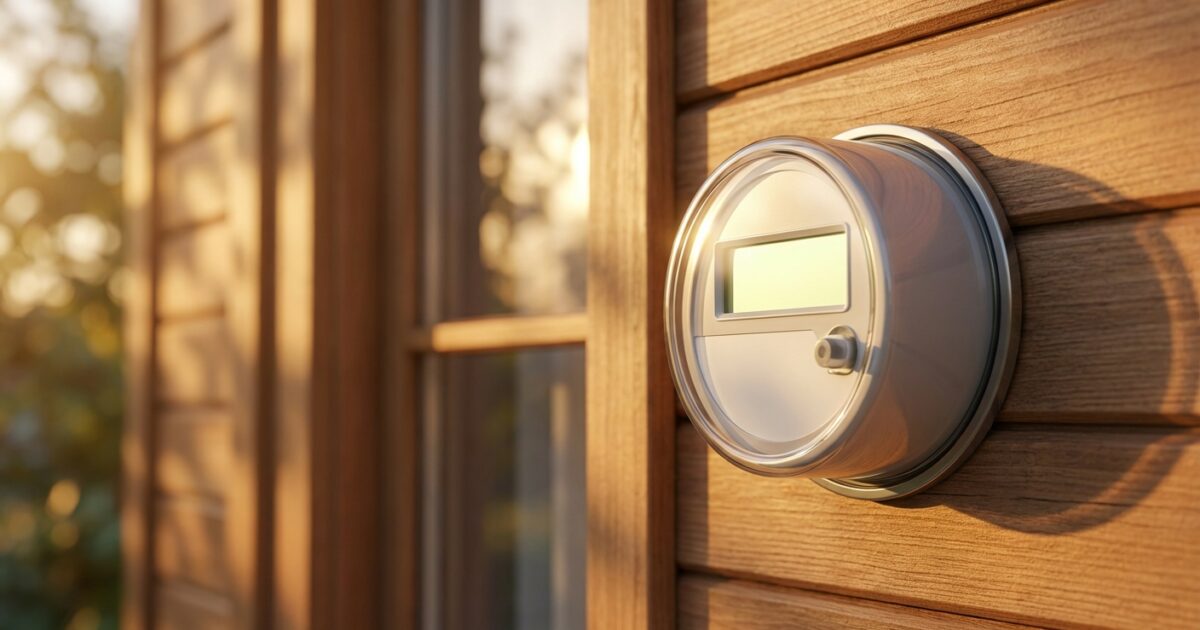
If your electric bill has jumped dramatically over the past few years, you’re not alone. Millions of homeowners are experiencing the same sticker shock when they open their monthly utility statements. The reality is that electricity costs have risen substantially across the country, with the average residential rate increasing by more than 20% in many regions since the start of the decade.
This surge in energy costs creates real financial stress for families already managing rising expenses across all areas of life. The good news? While you can’t control utility rates, you have significant power over how much electricity your home consumes. Understanding why your bills keep climbing and implementing strategic changes can cut your monthly costs by hundreds of dollars.
What’s Driving Your Rising Electric Bill
Several interconnected factors contribute to your increasing electricity costs, and understanding these helps you target the most effective solutions.
Utility Rate Increases
Electricity rates have risen due to aging power grid infrastructure requiring massive investments, increased demand for renewable energy sources, and regulatory changes. Your utility company’s rate structure also matters—many have shifted to time-of-use pricing that charges more during peak hours when demand is highest.
Seasonal Usage Patterns
Your home’s energy consumption fluctuates dramatically with the seasons. Air conditioning can account for up to 70% of your summer electric bill, while heating systems drive winter costs. Even mild seasonal changes affect how hard your HVAC system works to maintain comfort.
Aging Home Systems
Older HVAC systems, water heaters, and appliances lose efficiency over time, consuming more electricity to deliver the same performance. A 15-year-old air conditioner, for example, uses approximately 50% more energy than newer, efficient models.
Phantom Energy Loads
Electronics and appliances draw power even when turned off, creating “phantom loads” that can account for 5-10% of your total electric bill. With more connected devices in modern homes, these standby power draws add up quickly.
Lifestyle Changes
Remote work, more time at home, and increased use of electronic devices all contribute to higher energy consumption. Families cooking more meals at home, running more loads of laundry, and keeping homes consistently comfortable throughout the day naturally use more electricity.
12 Proven Strategies to Cut Your Electric Bill
These cost-cutting strategies are organized from immediate, no-cost changes to larger investments that deliver long-term savings.
Immediate Actions (Free)
1. Adjust Your Thermostat Settings
Set your thermostat to 78°F in summer and 68°F in winter when home, and adjust by 7-10 degrees when away. This simple change can reduce your HVAC costs by up to 10% annually, saving the average household $100-200 per year.
2. Unplug Electronics When Not in Use
Disconnect chargers, coffee makers, televisions, and other electronics when not actively using them. Focus on devices with LED displays or those that feel warm to the touch. This eliminates phantom loads that can cost $100-200 annually.
3. Use Natural Light and Ventilation
Open blinds during winter days to capture free solar heating, and close them during summer to block heat. Use ceiling fans to circulate air, allowing you to set the thermostat 3-4 degrees higher in summer while maintaining comfort.
4. Optimize Your Water Heater
Lower your water heater temperature to 120°F and take shorter showers. A 10°F reduction saves 3-5% on water heating costs, while cutting shower time by two minutes can save $25-50 annually per person.
Low-Cost Improvements ($10-100)
5. Replace HVAC Filters Regularly
Clean or replace air filters monthly during peak usage seasons. Dirty filters force your system to work harder, increasing energy consumption by up to 15%. Quality filters cost $20-40 quarterly but can save $200-400 annually.
6. Add Weatherstripping and Caulk
Seal gaps around windows, doors, and other openings where conditioned air escapes. A $50 investment in weatherstripping materials can reduce heating and cooling costs by 5-15%, saving $150-400 yearly.
7. Switch to LED Bulbs
Replace incandescent and CFL bulbs with LEDs, which use 75% less energy and last 25 times longer. While LEDs cost more upfront ($5-15 each), they save $50-100 per bulb over their lifetime through reduced energy use and replacement costs.
8. Install a Programmable or Smart Thermostat
Programmable thermostats ($50-150) automatically adjust temperatures based on your schedule, while smart thermostats ($150-300) learn your preferences and can be controlled remotely. Both typically reduce HVAC costs by 10-15%, saving $150-300 annually.
Moderate Investments ($100-1,000)
9. Upgrade to Energy-Efficient Appliances
When replacing appliances, choose ENERGY STAR certified models that use 10-50% less energy than standard versions. A new ENERGY STAR refrigerator saves $200-300 over its lifetime, while an efficient washing machine saves $400-500.
10. Install Ceiling Fans
Ceiling fans cost $100-300 installed but allow you to raise thermostat settings by 3-4 degrees while maintaining comfort. This can reduce cooling costs by 20-30% in rooms where they’re used regularly.
Major Improvements ($1,000+)
11. Add Insulation
Proper insulation in attics, walls, and crawl spaces dramatically reduces heating and cooling loads. Professional insulation upgrades cost $1,500-4,000 but can reduce energy bills by 20-40%, typically paying for themselves within 3-7 years through savings.
12. Upgrade Your HVAC System
High-efficiency HVAC systems cost $3,000-8,000 installed but can reduce heating and cooling costs by 30-50%. Look for systems with high SEER ratings for cooling and AFUE ratings for heating to maximize efficiency gains.
For Home Buyers: Evaluating Energy Efficiency
When shopping for a home, energy efficiency should factor heavily into your decision. A home’s energy performance affects your monthly budget and long-term financial picture.
What to Look for During Tours
Examine windows for quality and age—double or triple-pane windows with Low-E coatings indicate better efficiency. Check insulation in visible areas like attics and basements. Note the age and condition of the HVAC system, water heater, and major appliances. Look for smart home features like programmable thermostats and LED lighting.
Questions to Ask Sellers
Request recent utility bills to understand typical energy costs throughout the year. Ask about the age of the HVAC system, water heater, and roof. Inquire about any energy efficiency improvements made and whether the home has been professionally energy audited. Find out about insulation levels and window replacement dates.
Professional Energy Audits
Consider hiring a professional energy auditor before purchase, especially for older homes. These audits cost $300-500 but identify specific efficiency issues and potential improvements, helping you budget for necessary upgrades and negotiate purchase terms.
Your Monthly Action Plan
Implement these changes systematically to maximize your savings without overwhelming your budget or schedule.
Month 1: Focus on behavioral changes—adjust thermostat settings, unplug electronics, and optimize water heater use. Replace HVAC filters and seal obvious air leaks.
Month 2: Conduct a comprehensive weatherization effort, adding caulk and weatherstripping throughout your home. Begin replacing frequently used light bulbs with LEDs.
Month 3: Install a programmable or smart thermostat and complete your LED conversion. Research utility rebates and financing programs for larger efficiency improvements.
Months 4-6: Plan and execute moderate improvements like ceiling fan installation or appliance upgrades as needed. Track your progress by comparing bills to the same months from the previous year.
Months 7-12: Consider major improvements like insulation upgrades or HVAC replacement if your home needs them and your budget allows. Many utilities offer seasonal rebates that make fall and winter ideal times for these investments.
Rising electricity costs are a reality, but they don’t have to break your budget. By understanding what drives your high bills and systematically implementing these proven strategies, you can regain control over your energy expenses while improving your home’s comfort and value. Start with the free and low-cost solutions that deliver immediate results, then reinvest your savings into larger improvements that provide long-term benefits. Every action you take moves you closer to lower bills and greater energy independence.