
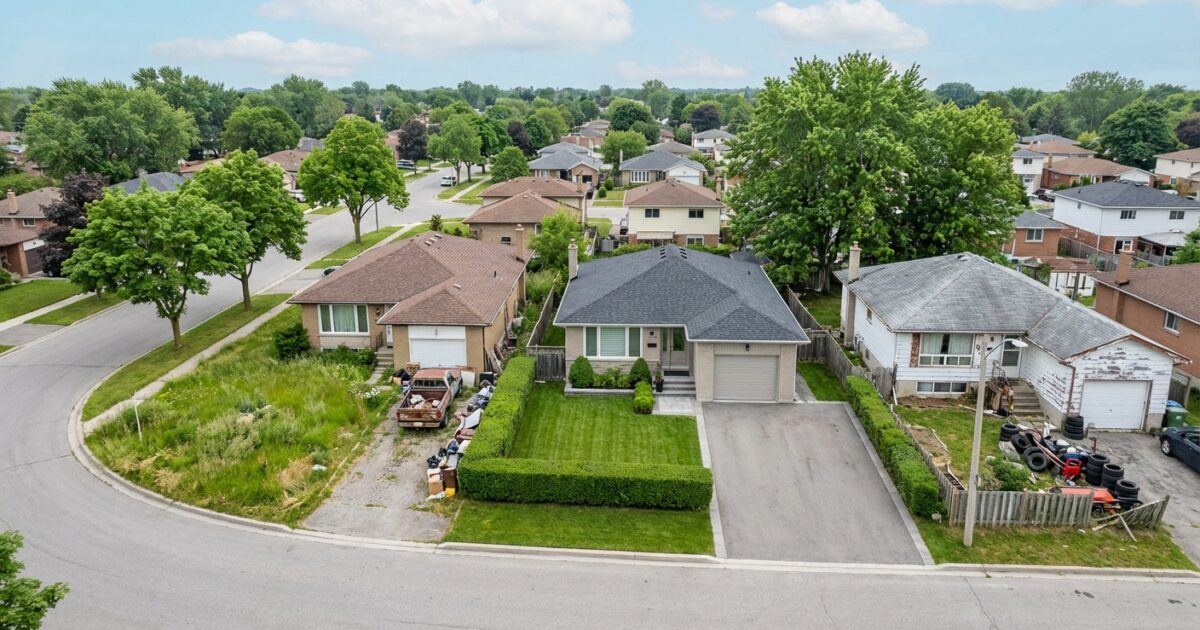
Nothing threatens a successful home sale quite like problematic neighbors. Whether you’re dealing with excessive noise, unkempt properties, or hostile behavior, difficult neighbors can slash your property value and scare away potential buyers. However, you’re not powerless in this situation.
With the right strategies, you can minimize the impact of neighbor issues on your sale while protecting yourself legally and ethically. Here’s your comprehensive action plan for navigating this challenging situation.
Assessing the Real Impact on Your Property Value
Before taking any action, you need to understand how significantly neighbor problems are affecting your home’s marketability. Not all neighbor issues carry the same weight in buyers’ minds or impact property values equally.
Start by documenting specific problems with dates, times, and photographic evidence where appropriate. Noise complaints, property maintenance issues, parking violations, and hostile interactions all create different levels of concern for potential buyers. A barking dog might be manageable, while a neighbor who confronts visitors aggressively represents a serious red flag.
Research recent comparable sales in your immediate area. Look for patterns in days on market and final sale prices. If similar homes are selling quickly at asking price while others languish, location within the neighborhood might be a factor. Properties adjacent to problem neighbors often sell for 5-10% less than comparable homes just a few houses away.
Consider hiring a real estate agent familiar with your specific neighborhood. Experienced local agents often know which properties and neighbors present challenges, and they can provide realistic expectations about how these issues might affect your timeline and final sale price.
Legal Remedies and Documentation Before Listing
Address neighbor problems through proper channels before putting your home on the market. This proactive approach can resolve issues entirely or create a paper trail that demonstrates your good faith efforts.
Contact your homeowners association if one exists. HOAs have enforcement power over covenant violations like landscaping requirements, noise restrictions, and architectural standards. File formal complaints about specific violations and request enforcement action. Keep copies of all correspondence and follow up regularly on the status of your complaints.
For issues outside HOA jurisdiction, contact local authorities. Noise ordinance violations, parking infractions, and property maintenance codes fall under municipal enforcement. File complaints with appropriate city departments and obtain report numbers for your records. Some jurisdictions require multiple complaints before taking action, so persistence is essential.
Document everything meticulously. Create a file containing complaint numbers, response letters, photos, and communication records. This documentation serves multiple purposes: it shows potential buyers that problems are being addressed through proper channels, provides evidence for pricing decisions, and protects you during the disclosure process.
Important note: Disclosure laws vary significantly by state. Consult with a local real estate attorney about your specific obligations regarding neighbor-related issues. Some states require disclosure of ongoing disputes, while others focus on physical property conditions.
Disclosure Requirements and Ethical Considerations
Navigating disclosure requirements around neighbor issues requires careful attention to local laws and ethical standards. While you’re not typically required to volunteer information about difficult neighbors, you must answer direct questions honestly.
Most states focus disclosure requirements on physical property conditions rather than neighbor relationships. However, if neighbor problems have resulted in police reports, court actions, or documented property damage, these facts may require disclosure depending on your location.
Work with your real estate agent to understand exactly what questions buyers might ask and how to respond truthfully without volunteering damaging information unnecessarily. Common buyer questions include: “How are the neighbors?” “Have you had any problems with neighbors?” and “Is the neighborhood generally quiet?”
Remember that misrepresentation can lead to serious legal consequences after closing. If a buyer discovers you knowingly concealed significant neighbor problems, they may have grounds for legal action. Honest disclosure, while potentially affecting your sale price, protects you from future liability.
Strategic Marketing to Minimize Impact
Smart marketing strategies can minimize the visibility and impact of neighbor problems during the selling process.
Time your showings strategically. If noise is the primary issue, schedule showings during quieter periods. Avoid weekend mornings when lawn equipment runs or evening hours when parties typically occur. For problematic neighbors who work traditional schedules, midday showings on weekdays often provide the most peaceful viewing environment.
Enhance your property’s positive attributes through strategic staging and landscaping. A beautifully maintained front yard draws attention away from neighboring properties. Strategic fencing, mature plantings, or privacy screens can minimize visual connection to problem areas. Inside, staging that emphasizes your home’s best features helps buyers focus on your property rather than external concerns.
Consider pre-emptive measures in your marketing materials. If your home offers exceptional value or unique features, lead with these strengths. Professional photography that captures your property from the most flattering angles can minimize unfavorable neighboring properties in listing photos.
Brief your real estate agent on the specific situation so they can manage buyer expectations appropriately. Agents who understand the challenges can prepare responses to likely questions and guide showing conversations toward your home’s positive attributes.
When to Consider Investor Sales
Sometimes selling to real estate investors makes more financial sense than pursuing traditional retail buyers. Investors often care less about neighbor relationships and more about property fundamentals and profit potential.
Consider the investor route if neighbor problems are severe enough to significantly impact retail buyer interest. Hostile neighbors who confront visitors, properties with extreme maintenance issues, or ongoing legal disputes often deter traditional buyers regardless of your home’s condition.
Investors typically close faster with fewer contingencies, which can be valuable if neighbor problems are escalating or affecting your quality of life. However, expect to accept a lower price—usually 10-20% below retail market value—in exchange for certainty and speed.
Get multiple investor offers to ensure competitive pricing. Some investors specialize in challenging properties and may offer better terms than general house flippers. Local rental property investors might pay more than out-of-state wholesalers since they understand neighborhood rental potential.
Pricing Strategies for Challenging Situations
Appropriate pricing becomes critical when neighbor issues affect your home’s marketability. Overpricing in hopes that the “right buyer” will overlook problems typically results in extended market time and eventual price reductions that signal desperation.
Research comparable sales carefully, paying special attention to properties with similar location challenges. Homes adjacent to busy streets, commercial properties, or problem neighbors often sell at discounts to otherwise comparable properties. Understanding these market realities helps you price competitively from the start.
Consider pricing slightly below comparable properties to generate multiple offers quickly. Competition among buyers can drive final sale prices above listing price, potentially offsetting the initial discount. Quick sales also minimize exposure time when neighbor problems might escalate or become more apparent to buyers.
Factor holding costs into your pricing strategy. Extended marketing periods due to neighbor issues cost money through mortgage payments, utilities, maintenance, and opportunity costs. Sometimes accepting a slightly lower price for a faster sale makes more financial sense than holding out for top dollar.
Red Flags for Home Buyers
If you’re buying rather than selling, knowing what to watch for can help you avoid inheriting neighbor problems.
Pay attention during property visits. Are neighboring properties well-maintained? Do you notice excessive noise, strong odors, or unusual activity? Multiple cars in driveways, accumulating mail, or overgrown landscaping can signal problems.
Visit the neighborhood at different times and days. A property that seems quiet during a Tuesday afternoon showing might have very different characteristics on weekend evenings. Drive through the area during commuting hours, weekend mornings, and evening hours to get a complete picture.
Ask direct questions during property tours. Inquire about noise levels, neighborhood characteristics, and whether the sellers have experienced any issues with neighbors. While sellers must answer honestly, they’re not required to volunteer negative information unprompted.
Research local complaint records if serious concerns arise. Municipal code enforcement departments, police records, and HOA minutes may provide insight into ongoing neighborhood issues. Some municipalities maintain online databases of code violations and noise complaints by address.
Consider hiring a buyer’s agent familiar with the specific area. Local agents often have insider knowledge about neighborhood dynamics, problem properties, and areas to avoid.
Trust your instincts during property visits. If something feels uncomfortable or concerning during showings, investigate further before making an offer. The time invested in thorough due diligence before purchase can save significant stress and financial loss later.
Dealing with problematic neighbors during a home sale requires patience, strategy, and realistic expectations. By documenting issues properly, understanding your disclosure obligations, and implementing smart marketing strategies, you can minimize the impact on your sale while protecting yourself legally. Whether you’re selling or buying, knowledge and preparation remain your best tools for navigating these challenging situations successfully.